Kids’ active sneakers are athletic shoes designed for growing feet, repeated movement, and changing surfaces. The best pairs combine a secure fit, breathable materials, flexible cushioning, traction, and construction strong enough for school, play, sports, and everyday walking. This matters because the Centers for Disease Control and Prevention reports that only about one in four U.S. children and adolescents ages 6–17 meets the recommendation for at least 60 minutes of physical activity each day. Shoes cannot create fitness, but comfortable, well-fitting footwear can remove avoidable barriers to running, jumping, walking, and participating. The sections below explain supportive design, fit and sizing, durability, activity-specific features, and practical buying and replacement guidance.
Supportive Design Defines Kids’ Active Sneakers
Kids’ active sneakers are footwear intended to support movement while accommodating children’s developing feet. The American Podiatric Medical Association describes athletic shoes as shoes engineered for particular activities, with features such as cushioning, stability, flexibility, and traction varying by sport. In practical terms, an all-day children’s sneaker should protect the foot without feeling rigid, heavy, slippery, or restrictive.
The main hyponyms include running shoes for forward motion and repetitive impact, court shoes for lateral movement, trail shoes for uneven outdoor surfaces, cross-training shoes for mixed activities, and school-to-play sneakers for general daily wear. No single design is ideal for every setting. A lightweight running shoe may feel comfortable on pavement but offer less side-to-side support for basketball, while a heavily reinforced court shoe may feel unnecessarily stiff for a child who mainly walks and plays on playground equipment.
Cushioning and Flexibility
Cushioning is the material and geometry that help moderate impact and improve comfort, while flexibility allows the shoe to bend as the child walks or runs. A useful everyday sneaker generally bends near the forefoot rather than folding through the middle. Excessively soft foam can feel comfortable in a store but may reduce stability, whereas an overly stiff sole can make ordinary movement tiring.
The right balance depends on the child’s activity, body size, walking pattern, and surface. For school and playground use, moderate cushioning and a flexible forefoot are usually more versatile than maximal padding. For organized sports, the activity’s movement pattern should guide the choice: forward-running shoes prioritize smooth transitions, while court shoes typically add lateral structure.
Breathability and Moisture Management
Breathability refers to how readily air and water vapor move through the upper and lining. Mesh or knitted panels can improve airflow, while leather and synthetic overlays may add durability and protection. Moisture-wicking socks can complement breathable shoes, but they do not compensate for a sneaker that is too tight or remains damp between uses.
Children who spend long days at school, practice, and outdoor play benefit from removable insoles and enough interior space for normal foot expansion during activity. Alternating between two pairs, when practical, gives each pair time to dry and can reduce odor and material breakdown.
Proper Fit Keeps Growing Feet Comfortable
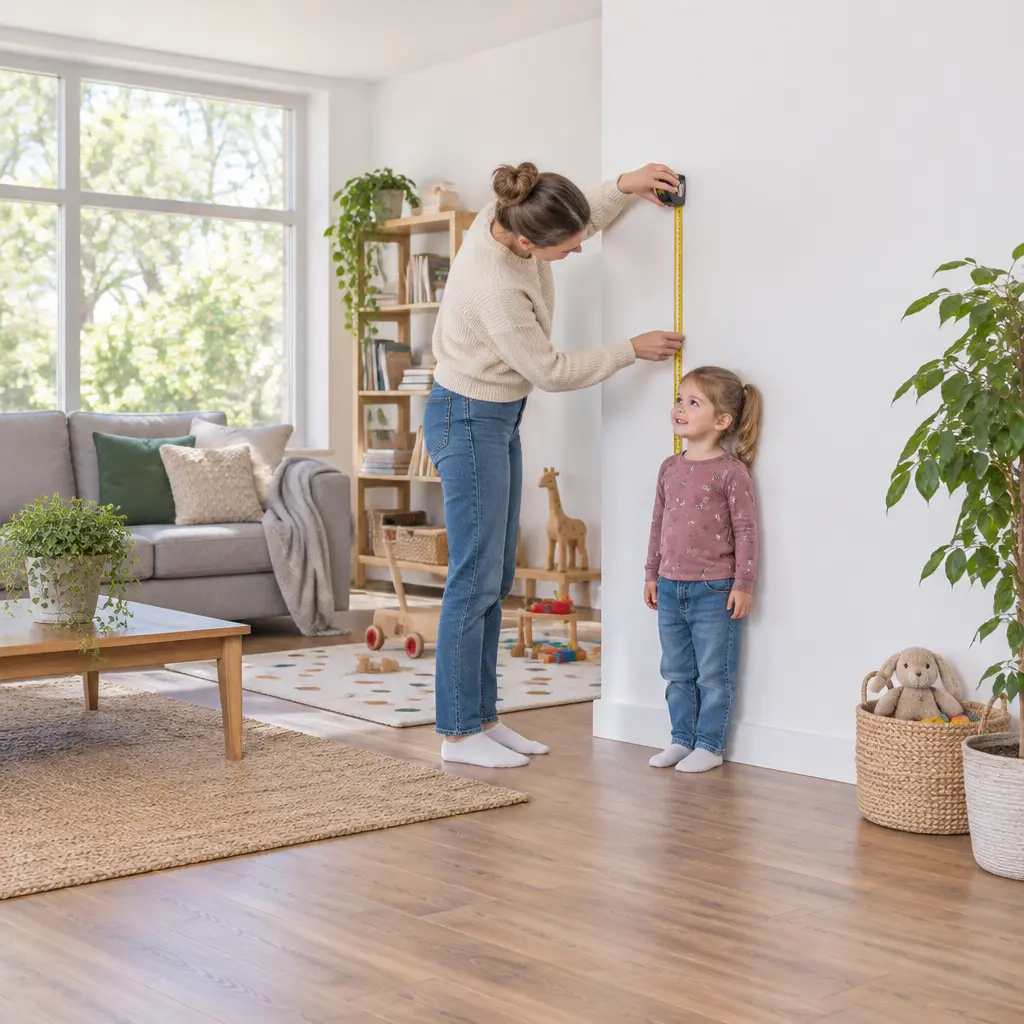
Proper fit means the shoe holds the heel securely, allows the toes to spread and move, and does not create pressure points. The APMA and pediatric foot-care guidance commonly recommend shopping later in the day, when feet may be slightly larger, and measuring both feet because one foot can be longer or wider than the other. Fit should be checked while the child is wearing the socks intended for regular use.
Toe Room and Width
A practical fit check is to press gently at the front of the shoe while the child is standing. There should be roughly a thumb’s width of space between the longest toe and the end of the shoe, while the toes should not be squeezed together from the sides. The longest toe is not always the big toe, so the entire forefoot should be assessed.
Extra length should not be used to compensate for insufficient width. A shoe that is too long may cause sliding and tripping, while a narrow shoe can create rubbing over the toes or the little-toe joint. Children with unusually wide, narrow, flat, or high-arched feet may need different lasts, width options, or advice from a podiatrist.
Heel Security and Fastening Systems
Heel security is the shoe’s ability to keep the rear of the foot from lifting excessively during walking and running. The heel should feel held without painful pressure or numbness. Laces provide the most adjustable fit, while hook-and-loop straps and elastic systems can improve independence for younger children. Some slip-on designs are convenient but may require a more careful fit to prevent the foot from sliding forward.
Children should walk, jog, squat, and climb a step or low platform in both shoes before purchase when possible. Signs of poor fit include immediate redness, heel slipping, toe gripping, repeated tripping, or a child removing the shoes soon after putting them on. Comfort during movement is more meaningful than a child’s preference for a particular color or logo.
Durable Construction Extends Everyday Wear
Durability is the ability of a sneaker to retain its fit, cushioning, traction, and structural integrity after repeated use. Active children often place greater stress on toe caps, outsole edges, heel counters, and stitching than adults do. A durable design can provide better value, but durability should not be confused with maximum heaviness.
Outsoles and Traction
The outsole is the bottom layer that contacts the ground. Rubber or rubber-like compounds generally provide useful abrasion resistance and traction, while tread patterns influence grip on dry floors, pavement, grass, and loose surfaces. Deep outdoor lugs may help on trails but can feel awkward on indoor floors; flatter patterns are often more versatile for school and playground use.
Parents should inspect the outsole rather than judging it only by color or thickness. Smooth patches, exposed foam, separated layers, or reduced tread are practical indicators that traction may be declining. A shoe that twists easily through the entire middle or has a detached sole should be replaced even if the upper still looks attractive.
Toe Protection and Reinforced Uppers
Toe protection consists of reinforced material over the front of the shoe that helps resist scuffs and minor impacts. It is especially useful for playgrounds, skate areas, and outdoor activities. Overlays and stitched panels can strengthen high-wear zones, but too many rigid layers may reduce breathability and flexibility.
A sensible design matches reinforcement to the child’s routine. A child who mainly walks indoors may benefit more from light weight and airflow, while a child who kneels, climbs, and plays outdoors may need a stronger toe bumper and abrasion-resistant upper. Cleaning dirt promptly and allowing shoes to air-dry away from direct heat can also preserve adhesives and materials.
Activity-Specific Sneakers Match Movement Demands
Activity-specific footwear is selected according to the direction, speed, surface, and repetition of movement. The American Academy of Pediatrics advises that children use appropriate equipment and footwear for their sport, while sports-medicine guidance distinguishes between shoes built for forward motion and those built for lateral or multidirectional movement.
Running and General School Play
Running sneakers are designed primarily for forward strides, with a smooth transition from heel or midfoot toward the toes. They are suitable for walking, physical education, recess, and casual running when the child is not participating in a sport that demands frequent cutting. Look for a secure heel, breathable upper, flexible forefoot, and outsole appropriate for the usual surface.
For a child who moves between classroom floors, sidewalks, and playgrounds, a versatile cross-training or everyday athletic sneaker may be more practical than a specialized racing shoe. The best choice is the one that fits consistently and remains comfortable across the child’s most common activities.
Basketball, Tennis, and Other Court Sports
Court shoes are built for braking, pivoting, and side-to-side movement. They commonly use a broader base, a supportive upper, and a nonmarking outsole designed for indoor floors. Running shoes are not automatically unsafe for casual play, but they may not provide the same lateral stability for organized court sports.
Children should not wear shoes with visibly worn or contaminated soles on indoor courts because reduced grip can affect movement. Coaches, athletic trainers, or pediatric sports specialists can help when a child has recurring pain, repeated ankle problems, or a sport-specific footwear requirement.
Trails, Wet Weather, and Outdoor Exploration
Trail sneakers use more pronounced tread, protective uppers, and sometimes water-resistant treatments for uneven or damp terrain. Water resistance can help with splashes, but it is not the same as waterproofing. A waterproof membrane may reduce airflow, so it is most useful when the child regularly encounters wet conditions rather than for ordinary school wear.
Outdoor shoes should be checked for embedded stones, torn tread, and wet insoles after each outing. Children need stable footing more than aggressive tread in settings such as a dry park or paved walking path, where a highly lugged outsole may offer little practical advantage.
Replacement Timing Protects Fit and Performance
Replacement timing is determined by growth, wear, comfort, and function rather than by a universal calendar. Children’s feet grow at different rates, and an apparently new-looking shoe may still be too small. The American Academy of Pediatrics recommends checking fit regularly, particularly during periods of rapid growth, rather than waiting for a child to complain.
Growth Checks
Parents can check length and width every few months by having the child stand in the shoes with normal socks. Watch for toes touching the front, new blisters, red marks that last after removal, changes in walking, or reluctance to wear the pair. Children may not always recognize or communicate gradual pressure, so visual inspection and direct questions are useful.
Buying a modest amount of growing room is sensible, but oversized shoes can reduce control. The goal is usable space—not a shoe large enough to last through several growth stages. If a child’s feet differ significantly in size, fit the larger foot and consider an appropriate insole only when it does not crowd the smaller foot.
Wear Checks
A sneaker should be replaced when the tread is worn smooth, the midsole remains visibly compressed, the upper has lost its shape, the heel counter collapses, or the sole separates. Persistent pain, limping, recurring blisters, or unusual wear patterns warrant evaluation by a pediatrician or podiatrist rather than simply purchasing a more expensive shoe.
A simple inspection chart can help families track condition: green for a secure fit and intact tread, yellow for moderate outsole wear or reduced cushioning, and red for pain, structural damage, or unsafe traction. This approach encourages replacement based on evidence instead of brand reputation or appearance.
Smart Buying Prioritizes Fit Over Features
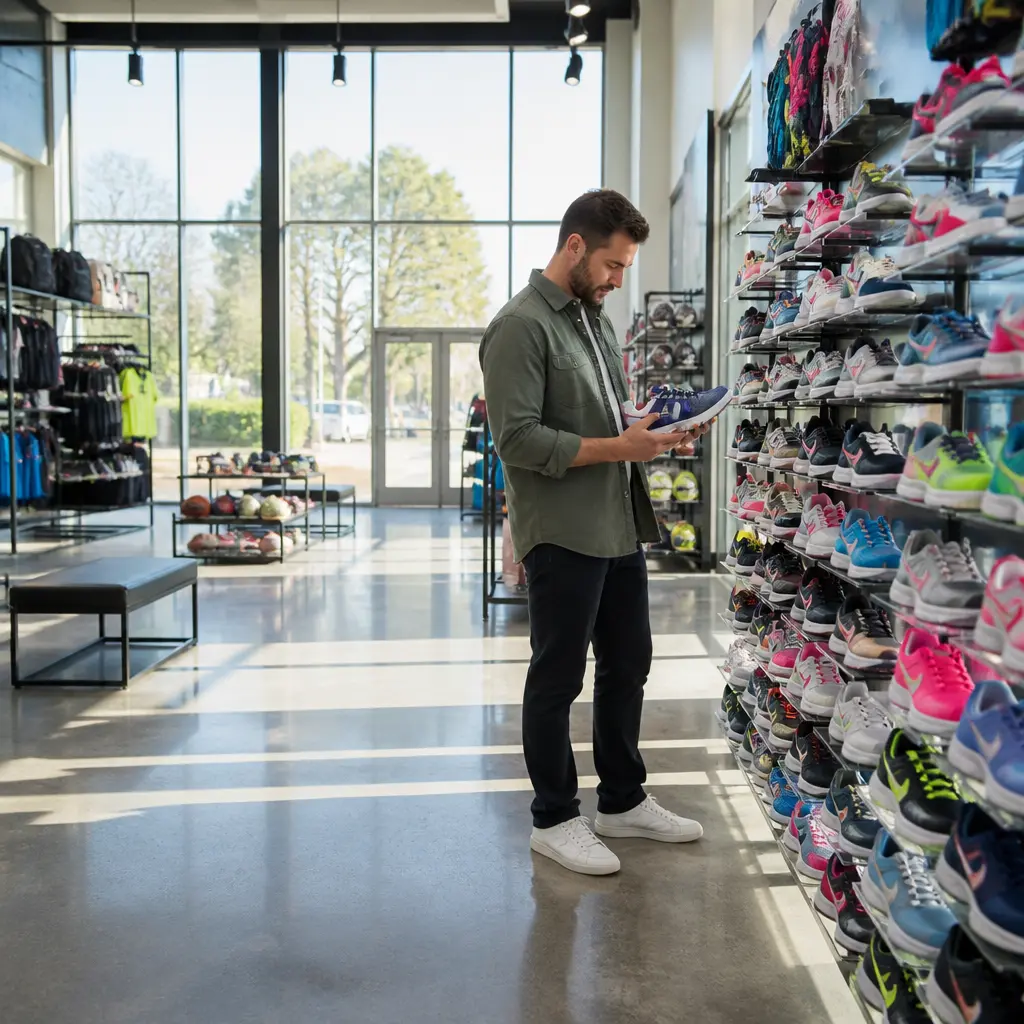
The most useful buying process starts with the child’s routine, not with marketing terms such as “maximum support” or “performance foam.” Families should identify the primary surface, activity, weather conditions, fastening preference, and expected hours of wear. They should then compare shoes on fit, traction, flexibility, breathability, durability, and price per expected season of use.
- Measure both feet while the child is standing and wearing typical activity socks.
- Try shoes later in the day and walk in both shoes before buying.
- Check toe room, forefoot width, heel security, and pressure points.
- Choose running, court, trail, or cross-training features according to the child’s main activity.
- Inspect tread, sole attachment, heel structure, and interior lining before each new season.
- Prioritize comfort and function over logos, color, and unnecessary technical features.
A well-fitting sneaker supports participation in the movement children need for health, coordination, and enjoyment. With the CDC reporting that most U.S. children do not consistently reach the daily activity guideline, removing simple barriers such as discomfort, slipping, overheating, or poor fit is a meaningful part of creating active routines.
Conclusion: Choose Sneakers That Support the Whole Day
Kids’ active sneakers work best when supportive design, proper fit, durable construction, and activity-specific performance are considered together. Flexible cushioning and breathable materials improve everyday comfort; secure heels and adequate toe room protect fit; durable outsoles and reinforced uppers withstand active play; and running, court, trail, or cross-training designs match different movement demands. Because children grow quickly and wear shoes hard, families should check fit and condition regularly rather than relying on a fixed replacement date.
Parents, caregivers, and coaches can use these criteria to make footwear decisions grounded in comfort and function. For further guidance, consult a pediatrician, podiatrist, athletic trainer, or reputable sporting-goods professional when a child experiences persistent pain, repeated injuries, or unusual foot alignment.
Sources: Centers for Disease Control and Prevention, Physical Activity Facts, https://www.cdc.gov/physical-activity/php/data/physical-inactivity-among-children-and-adolescents.html; American Podiatric Medical Association, Athletic Shoes, https://www.apma.org/athleticshoes; American Academy of Pediatrics, Choosing the Right Sports Shoes for Your Child, https://www.healthychildren.org/English/healthy-living/sports/Pages/Choosing-the-Right-Sports-Shoes.aspx; World Health Organization, Guidelines on Physical Activity and Sedentary Behaviour, https://www.who.int/publications/i/item/9789240015128; American Academy of Orthopaedic Surgeons, Common Foot Problems in Children, https://orthoinfo.aaos.org/en/diseases–conditions/common-foot-problems-in-children/.