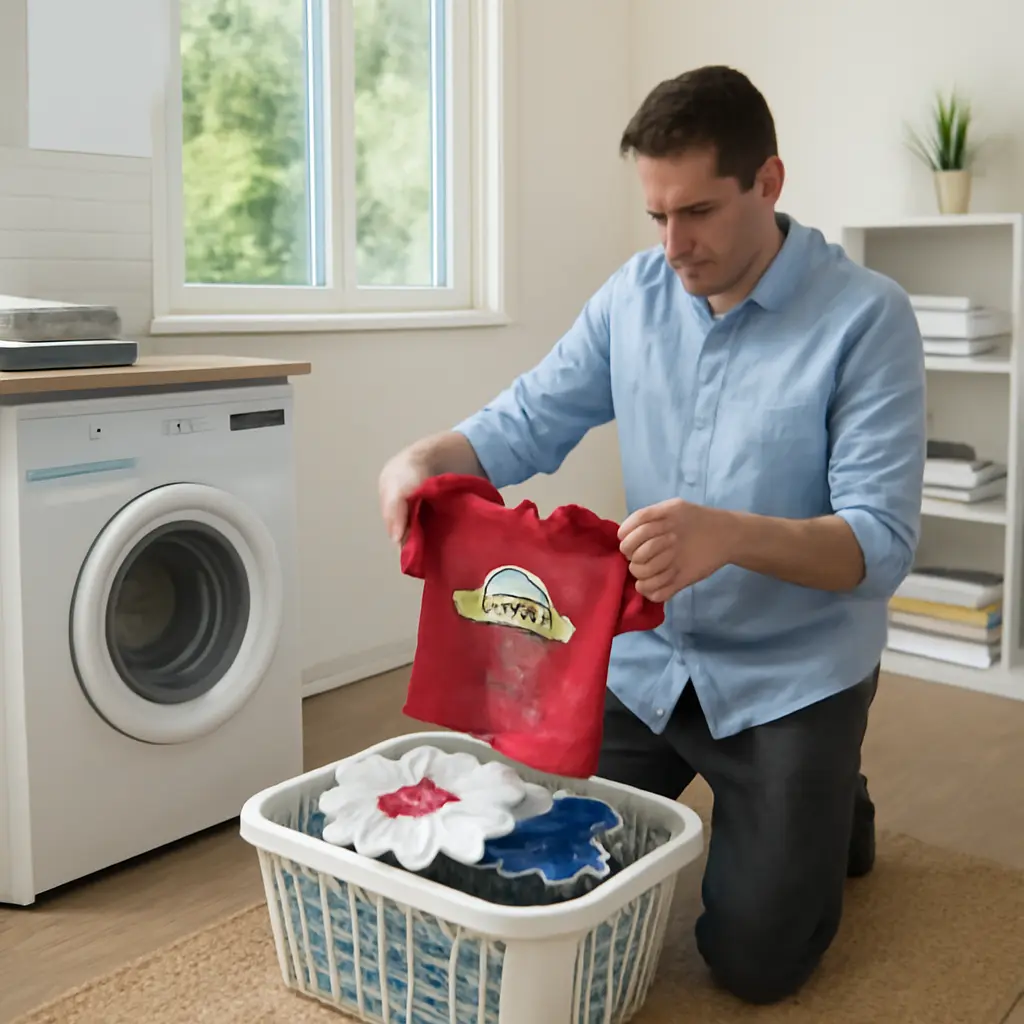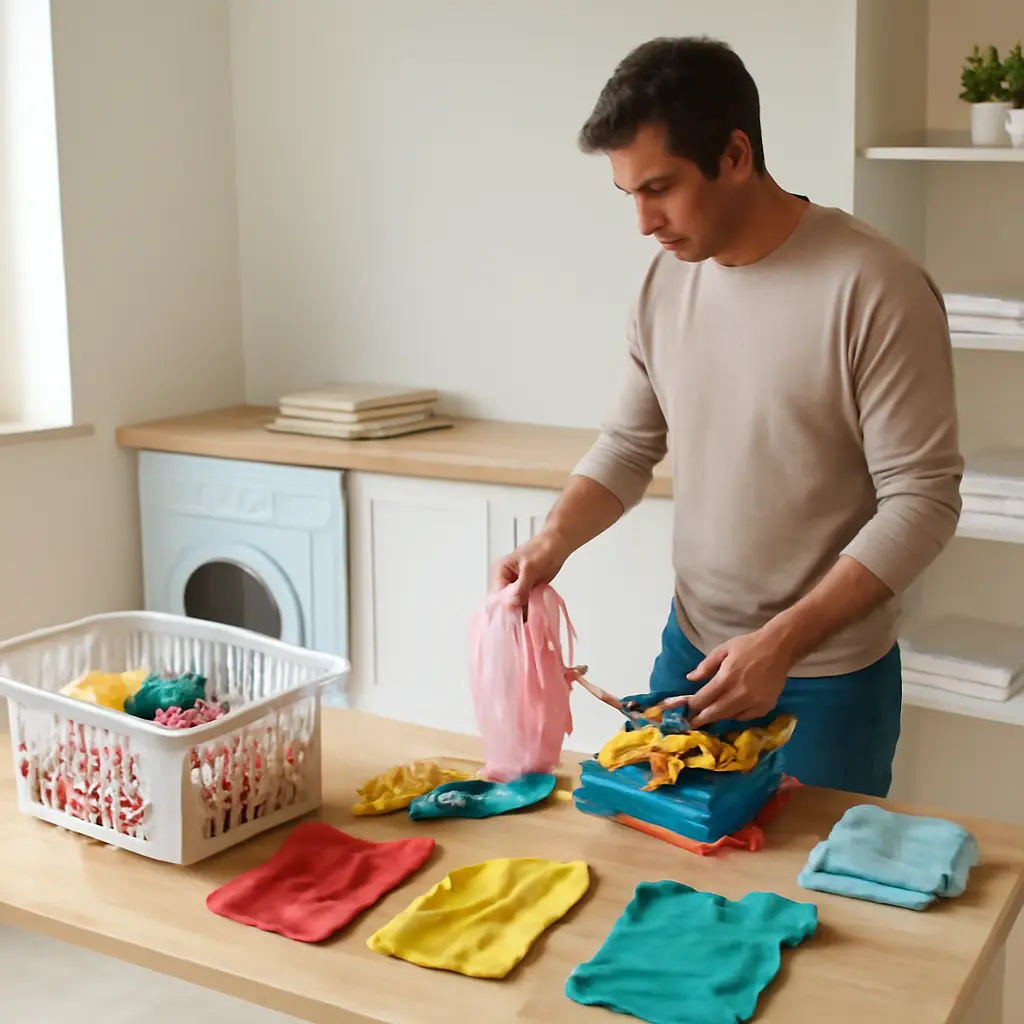
Designer kids’ clothing care means cleaning, drying, storing, and repairing children’s premium garments in ways that protect their fibers, construction, color, and fit. The most expensive mistakes are often ordinary ones: ignoring the care label, using heat on delicate fabrics, treating stains without checking the material, and washing embellished pieces with rough items. The American Cleaning Institute recommends following garment-care labels and sorting laundry by color and fabric, while the Federal Trade Commission explains that care labels provide instructions needed to avoid damaging clothing. These simple precautions matter: they can help parents avoid preventable replacements while preserving the appearance and useful life of garments that children quickly outgrow.
Care-label mistakes damage designer kids’ clothing
A care label is the manufacturer’s set of instructions for cleaning and finishing a particular garment. In the United States, the Federal Trade Commission’s Care Labeling Rule requires manufacturers and importers to provide reliable care instructions, including at least one safe cleaning method. The label is therefore a practical starting point—not a suggestion to override when a piece looks sturdy.
Misreading washing symbols
Care symbols and wording specify limits such as water temperature, washing method, bleaching, drying, and ironing. A tub symbol with a number indicates a maximum wash temperature; a hand in the tub indicates hand washing, and a crossed-out symbol means the process should not be used. When a label says “dry clean only,” machine washing can cause shrinkage, color bleeding, surface changes, or loss of shape, even if the fabric feels robust.
Treating “gentle” as permission to ignore instructions
“Gentle” or “delicate” describes a lower-agitation cycle, but it does not make every garment machine-safe. Silk, wool, structured jackets, bonded fabrics, and pieces with beads, sequins, appliqué, or delicate fastenings may need hand care or professional cleaning. Check the label on the whole garment: lining, trim, and decoration can require more cautious treatment than the main fabric.
Washing mistakes shorten fabric life
Laundry care is the combination of sorting, detergent selection, water temperature, and mechanical action used to clean clothes. The American Cleaning Institute advises sorting by both color and fabric type because dark dyes can transfer and heavy, rough items can abrade lighter or more delicate garments. For children’s designer clothes, a full load of mixed towels, denim, and embellished tops is a recipe for friction, snags, and avoidable wear.
Mixing colors and fabrics
Color sorting reduces the risk that dye from a new or dark garment will stain pale clothing. Fabric sorting also matters: a soft cotton top can pill or catch when washed against zippers, hook-and-loop fasteners, denim, or towels. Close fasteners, turn garments inside out when appropriate, and place small delicate pieces in a mesh laundry bag while still following the care label.
Using too much detergent or the wrong product
More detergent does not necessarily mean cleaner clothes. Excess product can leave residue that dulls fabric or irritates sensitive skin, while bleach or stain removers may strip color or weaken fibers if the label does not permit them. Use the detergent’s measured dose for the load and water conditions, and test any spot-treatment product on an inconspicuous area when the garment’s care instructions allow it.
Washing too often
Repeated laundering exposes fabric to water, detergent, agitation, and handling. A garment that is not visibly soiled may only need airing or careful spot cleaning if its label and fabric permit; items worn next to the skin, stained, or sweaty generally need washing. The goal is not to avoid cleaning but to avoid unnecessary cycles that accelerate fading, pilling, and seam wear.
Heat and drying mistakes cause expensive damage
Drying is the removal of moisture after washing, but heat and tumbling can change a garment’s dimensions and surface. The Federal Trade Commission’s care-label guidance treats drying instructions as part of the garment’s safe-care method. When the label calls for line drying, flat drying, or low heat, using a hotter setting can shrink fibers, distort elastic, set wrinkles, or damage trims.
Putting delicate clothes in a hot dryer
Cotton can shrink, elastane can lose recovery, and heat-sensitive embellishments can crack, loosen, or melt under excessive dryer heat. Remove garments promptly when the label permits tumble drying, and avoid overcrowding so items can move without being crushed together. If the label says not to tumble dry, use the stated alternative rather than relying on a short or “low” cycle.
Hanging garments that should dry flat
Wet knits are heavier than dry knits, so hanging them by the shoulders can stretch the shape or leave hanger marks. Dry sweaters and other pieces marked for flat drying on a clean, dry surface, reshaping them gently while damp. For garments that can be hung, use a suitable hanger and avoid direct sun if the care guidance or color makes fading a concern.
Stain-removal errors turn small marks into permanent damage
Stain removal means treating a localized mark without harming the surrounding dye or fiber. The University of Illinois Extension’s clothing-care guidance recommends responding to stains promptly and checking fabric-specific treatment advice. Blotting is generally safer than aggressive rubbing because friction can spread a stain, roughen the surface, or drive the substance deeper into the weave.
Rubbing, scrubbing, or using hot water blindly
A rushed scrub can damage delicate fibers and create a fuzzy or lighter-looking patch. Water temperature and treatment depend on the stain and textile, so avoid assuming that hot water is always more effective; heat can set some stains or affect sensitive materials. Blot from the outside toward the center with a clean cloth, then follow the garment label and a reliable fabric-specific stain guide.
Applying bleach or spot treatments without testing
Chlorine bleach can weaken or discolor many fabrics, while other stain removers can lift dye or damage prints and trims. Check the care label for bleaching guidance, and test a permitted treatment on a hidden seam or hem first. For valuable pieces with complicated stains, professional advice may cost less than replacing a garment that has been permanently discolored.
Storage and repair mistakes reduce clothing’s resale value
Garment storage is the way clothing is protected between wears or seasons. Clean, fully dry garments are less likely to develop persistent odors or moisture-related damage, while cramped storage can crush trims and wrinkle delicate pieces. Proper storage and timely repairs also matter to families who pass designer clothing down or resell it: stains, stretched shapes, missing buttons, and avoidable damage can make a wearable item harder to use again.
Storing clothing before it is completely dry
Putting damp clothing away can encourage musty odors and mildew, particularly in enclosed drawers or storage boxes. Let items dry completely before folding or hanging, and store them in a clean, dry place. Keep delicate pieces away from sharp hardware and avoid packing seasonal clothing so tightly that embellishments or fabric surfaces are crushed.
Ignoring small repairs and rough accessories
A loose button, snagged thread, or broken fastener can worsen if the garment is repeatedly worn or washed without repair. Attend to small problems early, using a tailor for construction or embellishment repairs that exceed basic sewing skills. Before laundering, fasten zippers and hooks and separate garments from rough accessories that could catch delicate fabric.
A practical routine protects designer kids’ clothing
A consistent routine can prevent many costly care mistakes without turning laundry into a complicated project. Before cleaning a premium garment, check its label, identify vulnerable trims, and decide whether washing, spot treatment, or professional care is appropriate. The American Cleaning Institute and Federal Trade Commission both emphasize care instructions as a foundation for safer garment maintenance.
- Read the entire care label before the first wash and keep any detached instructions with the garment.
- Sort by color, fabric weight, and risk of snagging; close fasteners and use mesh bags for suitable delicate items.
- Measure detergent and select only a wash temperature and cycle permitted by the label.
- Blot stains promptly and avoid untested bleach, solvents, or aggressive scrubbing.
- Follow the specified drying method, then store the garment clean and fully dry.
- Repair loose buttons, seams, and fasteners early to keep small issues from becoming major damage.
Designer kids’ clothing care comes down to respecting care labels, limiting unnecessary abrasion and heat, treating stains cautiously, and storing garments properly. Those habits can preserve fabric, fit, and appearance—and may help a piece remain suitable for hand-me-downs or resale. Before the next laundry load, check the label on each special garment and choose the least damaging method it permits.
Sources: Federal Trade Commission, Care Labeling Rule, https://www.ftc.gov/legal-library/browse/rules/care-labeling-rule; Federal Trade Commission, Clothing Labels: A Guide to Apparel and Textile Care Symbols, https://www.ftc.gov/business-guidance/resources/clothing-labels-guide-apparel-textile-care-symbols; American Cleaning Institute, Laundry Basics, https://www.cleaninginstitute.org/cleaning-tips/clothes/laundry-basics; University of Illinois Extension, Stain Solutions, https://extension.illinois.edu/stain-solutions.