Twins’ big-moment outfits work best when they feel connected, not copied. Coordinated dressing means using a shared color, formality level, or design detail while letting each child wear a distinct silhouette or accessory. That approach suits weddings, family portraits, graduations, and celebrations: the twins look like a pair, but each outfit still reflects an individual. Practical choices matter, too—fit, comfort, weather, and the event’s dress code are more useful guides than age-old assumptions that twins must dress alike.
Coordinated Twin Outfits Balance Shared Style and Individuality
Coordinated twin outfits are clothing choices that create a visual connection without requiring identical garments. There is no formal fashion-industry definition or universal statistic for “how matchy” twins should look; in practice, coordination can come from one shared element, such as a color family, print, or accessory. This flexible definition supports the central goal: make the occasion feel special while giving each twin room to express a preference.
The American Academy of Pediatrics’ guidance on children’s clothing emphasizes comfort and suitability for the conditions, practical considerations that apply just as much to formalwear as everyday clothes. For a long event, breathable fabrics, easy movement, and manageable closures can matter more than exact visual symmetry. A useful rule is to coordinate one or two details and vary the rest.
Color coordination creates a clear connection
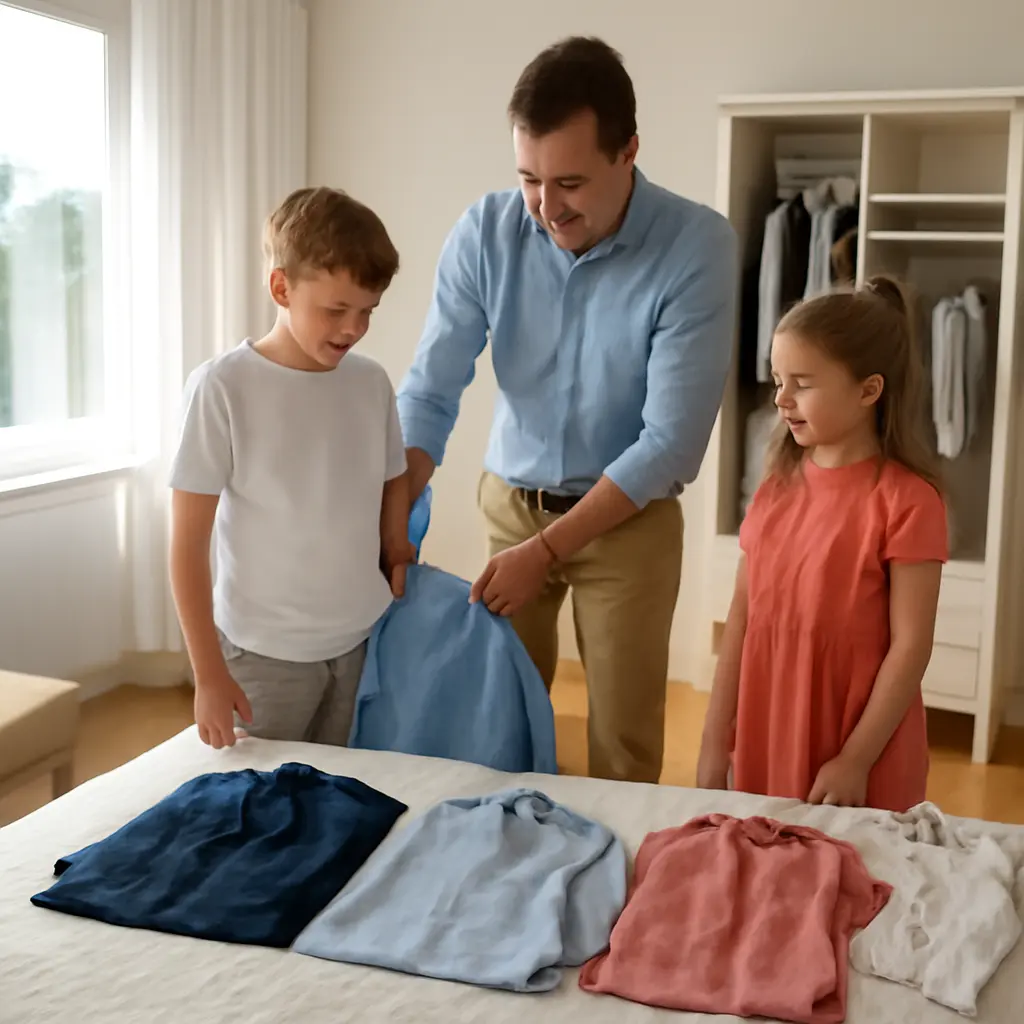
Color coordination means choosing related shades rather than dressing both twins in the exact same color and outfit. For example, one child might wear navy trousers with a pale-blue shirt while the other wears a pale-blue dress with navy trim. A shared palette photographs cohesively, yet different garments, patterns, or accessories help distinguish each child.
For family portraits, ask the photographer or check the venue’s setting before deciding on colors. Soft neutrals and subdued shades often sit comfortably in natural outdoor scenes, while a brighter accent can add definition. These are styling suggestions rather than guaranteed photographic rules: lighting, background, and camera settings all affect how colors appear.
Silhouette and accessories make each look distinct
Silhouette refers to the overall shape of a garment. Twins can share a fabric or color but wear different cuts—for instance, a jacket and trousers for one child and a skirt or dress in the same palette for the other. When both prefer similar clothing, vary the collar, sleeve, layering, or shoe style instead.
Accessories offer a small, practical way to personalize a look: a bow tie, hair clip, cardigan, pocket square, or different socks can distinguish outfits without disrupting their connection. Keep accessories secure and comfortable, and avoid anything that interferes with walking, eating, or play.
Event-Appropriate Twin Dressing Starts with the Occasion
Event-appropriate dressing means matching clothing formality and function to the setting. The same coordination idea can take different forms at a wedding, graduation, or portrait session. Before buying clothes, check the invitation, venue guidance, weather forecast, and any family preferences; these details help prevent outfits that look polished but are uncomfortable or out of place.
Weddings and formal celebrations
For weddings, coordinate with the requested dress code and wedding-party colors without assuming the twins need identical roles or garments. One child might wear a suit while the other wears a dress in a related shade, or both might wear different outfits that share a jacket fabric or floral detail. Confirm choices with the couple or host, especially when the event has specific colors or rules.
Comfort is especially important when ceremonies, meals, and photographs make for a long day. Test shoes in advance, check that hems allow easy movement, and consider a comfortable layer for changing temperatures. A spare shirt, tights, or other small backup can be helpful for young children.
Graduations and milestone ceremonies
Graduation clothing often needs to work under a gown as well as in photographs. Choose simple, comfortable outfits that will not bunch excessively beneath the robe, and use a shared color or accessory to connect the twins’ looks. If the school specifies clothing or footwear expectations, follow those first.
For family celebrations, let each twin select one detail when possible. Offering two appropriate choices—such as different shirts in the same palette—can preserve the coordinated plan while giving children a meaningful say.
Portraits and family photographs
Portrait styling is the practice of choosing clothing that complements the people and setting in a photograph. A shared palette can help twins read as a pair, while distinct textures or garments prevent the image from becoming visually uniform. For example, a knit layer on one child and a patterned shirt on the other can provide contrast without introducing competing colors.
A simple planning chart can make decisions easier: list each child’s outfit, the shared element, and the detail that differs. This is not a scientific measurement, but it is a useful checklist for spotting accidental duplicates or clashing pieces before the photo session.
Comfort and Personal Choice Make Coordinated Outfits Work
Comfort-first coordination keeps the visual plan subordinate to the children wearing the clothes. Fit, temperature, sensory preferences, and ease of movement can determine whether an outfit works in real life. The U.S. Consumer Product Safety Commission advises consumers to consider clothing safety, including hazards associated with drawstrings; parents can check garment details and follow current safety guidance when selecting children’s clothes.
Fit, fabric, and weather
A well-fitting outfit should allow children to sit, walk, raise their arms, and use the restroom without unnecessary struggle. Check waistbands, seams, closures, and shoe fit before the event. For warm weather, lightweight layers may be more comfortable; for cooler conditions, a coordinated cardigan or jacket adds warmth without requiring identical outerwear.
The Centers for Disease Control and Prevention’s advice on hot-weather safety recommends taking steps to stay cool and hydrated. For outdoor events, that makes shade, water, and breathable clothing sensible considerations alongside appearance. Clothing alone cannot prevent heat illness, so use broader weather-safety precautions as needed.
Individual preferences and twin identity
Individual preference means recognizing that each twin may like different colors, cuts, or accessories. Ask each child what feels good, then find a shared element that accommodates both choices. If one wants a dress and the other prefers trousers, matching through a color or fabric can preserve cohesion without treating the children as interchangeable.
For younger children, offer limited options that already fit the event and budget. For older children, involve them in the full decision, including whether they want to coordinate closely or only subtly. This approach turns dressing into collaboration rather than a contest over identical appearances.
A Simple Planning Checklist for Big-Moment Outfits
A short checklist can help families balance style, practicality, and individuality:
- Confirm the event’s dress code, venue, and any host or school requirements.
- Choose one shared element, such as a color family, fabric, or accessory.
- Pick at least one distinguishing detail for each twin.
- Check fit, weather suitability, movement, and comfort by trying outfits on in advance.
- Inspect shoes, closures, and garment safety details, and pack a small backup if useful.
- Ask the twins what they like and adjust the plan where possible.
Conclusion: Make the Moment Memorable, Not the Outfits Identical
Coordinated twin outfits rely on a shared visual thread—often color, fabric, or an accessory—while differences in silhouette and personal details help each child stand out. Event-appropriate choices account for dress codes and photographs; comfort-first choices consider fit, weather, safety, and the children’s preferences. Start with the occasion, agree on one or two connecting details, and let each twin help shape the final look. The result can feel thoughtful and celebratory without making individuality an afterthought.
Sources: American Academy of Pediatrics, “Clothing”; https://www.healthychildren.org/English/safety-prevention/at-home/Pages/Clothing.aspx; U.S. Consumer Product Safety Commission, “Drawstrings in Children’s Upper Outerwear”; https://www.cpsc.gov/Business–Manufacturing/Business-Education/Business-Guidance/Drawstrings-in-Childrens-Upper-Outerwear; Centers for Disease Control and Prevention, “Heat and Health”; https://www.cdc.gov/heat-health/about/index.html.