Special-occasion baby clothes are dressier outfits and accessories for events such as weddings, holidays, family portraits, and naming ceremonies. New parents may overlook affordable options because occasionwear is often presented as expensive or quickly outgrown, but budget-friendly choices include secondhand outfits, versatile separates, and pieces that can be worn again. The best value comes from balancing price with comfort, safe fit, washability, and likely reuse—a practical approach when children grow quickly and family spending is under pressure.
Affordable baby occasionwear combines dressy style with repeat use
“Affordable special-occasion babywear” is a useful shopping category rather than a formal retail or medical definition: it means clothing suitable for a celebration that fits a family’s budget and a baby’s needs. The American Academy of Pediatrics emphasizes that babies need clothing appropriate to their environment and that caregivers should avoid overheating; for occasionwear, comfort and safe layering matter as much as appearance.
A low sticker price is not the only measure of value. A simple outfit worn at several gatherings may cost less per use than a highly themed garment worn once. The U.S. Bureau of Labor Statistics’ Consumer Expenditure Survey tracks clothing as part of household spending, while the U.S. Department of Agriculture’s family food-cost estimates illustrate the broader budget pressures parents manage. Neither source sets a recommended occasionwear budget, so families can use a personal spending limit and compare likely reuse instead.
Secondhand and borrowed outfits
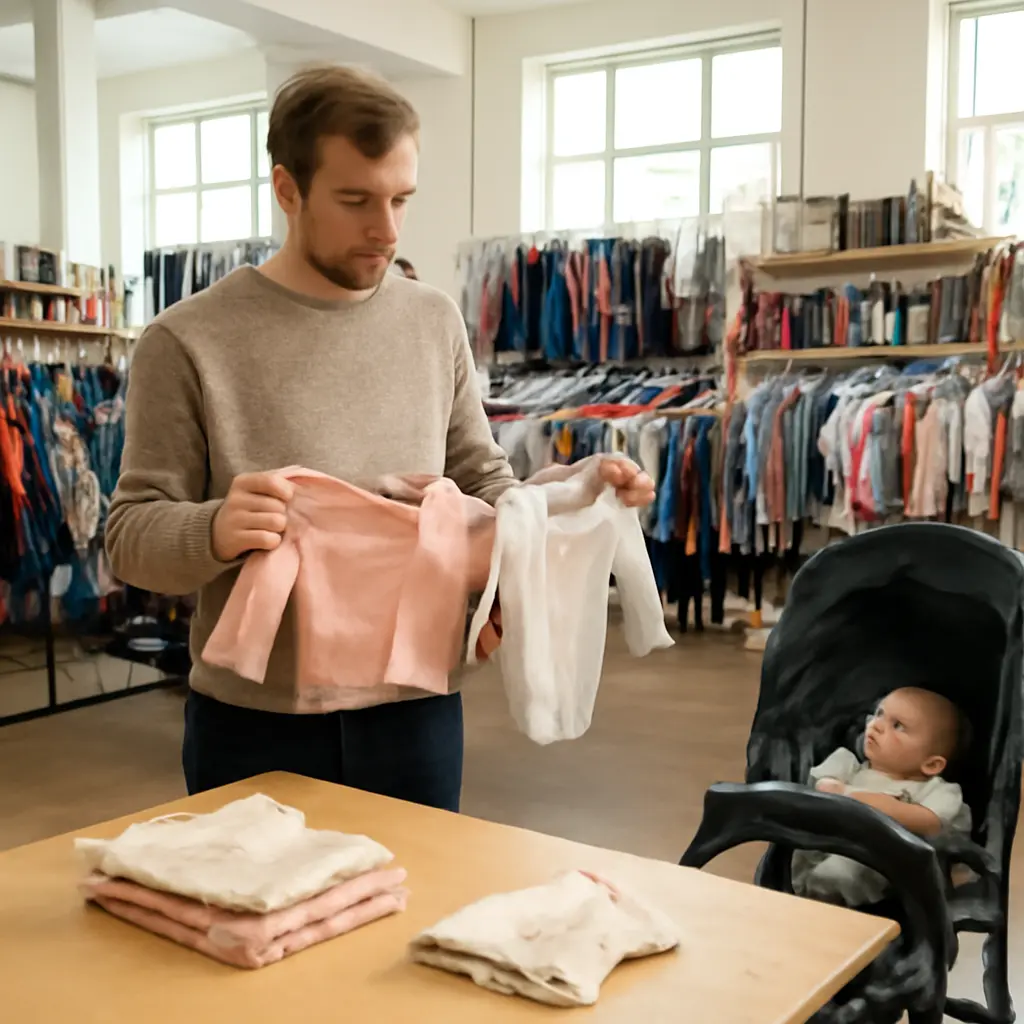
Secondhand clothing includes gently used items purchased through resale shops, community groups, or online marketplaces; borrowed clothing comes from relatives or friends. Both can lower the cost of a one-time outfit, particularly for formal dresses, miniature suits, and seasonal costumes. Before using a pre-owned piece, check that fasteners are secure, seams are intact, and the garment is clean and free of loose decorations that could detach.
Versatile separates and coordinated basics
Versatile separates are pieces—such as a cardigan, soft trousers, bloomers, a skirt, or a plain bodysuit—that can be combined in different ways. A neutral base with one festive accessory can work for a holiday meal, a birthday, or family photographs. This approach also makes it easier to change a baby after spills without replacing the whole outfit.
Affordable accessories that change the look
Accessories are small finishing pieces, including a soft headband, bow tie, cardigan, tights, or dress shoes. They can make everyday clothing look more celebratory without requiring a complete formal set. Choose accessories that fit securely and comfortably, and remove items that are loose, restrictive, or unsuitable for sleep. The U.S. Consumer Product Safety Commission advises caregivers to keep small objects and potential choking hazards away from young children.
Comfort and safe fit make occasionwear usable
Baby occasionwear should allow movement, permit easy diaper changes, and suit the temperature of the event. The Centers for Disease Control and Prevention recommends dressing babies appropriately for conditions and watching for signs of overheating. A photo-ready outfit that is too tight, scratchy, or warm may be impractical for a long gathering.
Soft fabrics and practical closures
Soft, breathable fabrics and accessible snaps or openings help caregivers change and settle a baby more easily. Read care labels before buying: a washable garment is often more useful than one requiring special cleaning, especially after food, drool, or diaper leaks. Check buttons, bows, and decorative pieces regularly to ensure they remain firmly attached.
Layering for changing temperatures
Layering means adding or removing light garments to respond to indoor heating, outdoor weather, or a cool evening. A cardigan or light blanket can add warmth without committing a baby to a heavy outfit throughout an event. For car travel, follow the car-seat manufacturer’s guidance: bulky clothing under harness straps can interfere with a secure fit, so adjust layers after fastening when needed.
Shopping choices help stretch the occasionwear budget
A deliberate shopping plan helps parents distinguish a useful purchase from an outfit chosen only for a photograph. Consider the event’s dress code, the baby’s current size, the season, return policies, and whether the piece can be worn again or passed along.
Buy for the event, not an imagined future size
Baby sizes and growth vary, so buying far ahead can leave an outfit too small or seasonally unsuitable when the event arrives. Check the retailer’s size chart and return window, and allow room for a comfortable fit without choosing clothing that could become hazardous or cumbersome. For a gift, a receipt or flexible sizing can reduce the risk of an unworn item.
Compare cost per wear and care requirements
Cost per wear is the purchase price divided by the number of times an item is used. For example, a $24 outfit worn at four gatherings costs $6 per wear before resale or hand-me-down use; a $12 outfit worn once costs $12 per wear. This simple comparison is not a guarantee of savings, but it clarifies why rewearable basics can outperform a cheaper, single-use novelty item.
Use resale, swaps, and hand-me-downs thoughtfully
Local clothing swaps, family hand-me-downs, and resale platforms can make special pieces more accessible and extend their useful life. Inspect used items for damaged snaps, fraying, stains, and loose embellishments, and wash them according to the care label before use. When buying online, review measurements, condition descriptions, shipping costs, and return terms rather than relying on a styled photograph alone.
A simple occasionwear plan prevents unnecessary spending
For a wedding, holiday gathering, or portrait session, start with one comfortable base outfit, then add a removable layer or accessory if the occasion calls for more formality. Pack a spare bodysuit and wipes, and prioritize the baby’s comfort over keeping a pristine look. A quick change is often more valuable than buying a second elaborate outfit.
Parents can also coordinate colors rather than purchase matching formal sets. For family photographs, complementary shades often create a cohesive appearance while allowing each person to wear clothing already owned. This real-world strategy reduces one-time purchases and keeps the baby dressed in familiar, comfortable pieces.
Conclusion: choose affordable baby occasionwear for comfort and reuse
Affordable special-occasion babywear includes secondhand finds, versatile separates, and small accessories that make everyday basics feel festive. Comfort, safe fit, easy care, and repeat use are stronger measures of value than price alone. Before buying, set a budget, check the event and weather, inspect construction, and consider borrowing or resale. These steps help families celebrate meaningful moments without turning a short-lived outfit into an unnecessary expense.
Sources: American Academy of Pediatrics, HealthyChildren.org, “Clothing Your Baby for Any Weather,” https://www.healthychildren.org/English/ages-stages/baby/Pages/Dressing-Your-Newborn.aspx; U.S. Bureau of Labor Statistics, Consumer Expenditure Surveys, https://www.bls.gov/cex/; U.S. Department of Agriculture, Official USDA Food Plans: Cost of Food at Home, https://www.fns.usda.gov/cnpp/usda-food-plans-cost-food-monthly-reports; U.S. Consumer Product Safety Commission, “Choking Hazards,” https://www.cpsc.gov/Safety-Education/Safety-Guides/Toys/Choking-Hazards; Centers for Disease Control and Prevention, “Helping Babies Sleep Safely,” https://www.cdc.gov/sudden-infant-death/sleep-safely/index.html; National Highway Traffic Safety Administration, Car Seats and Booster Seats, https://www.nhtsa.gov/vehicle-safety/car-seats-and-booster-seats.