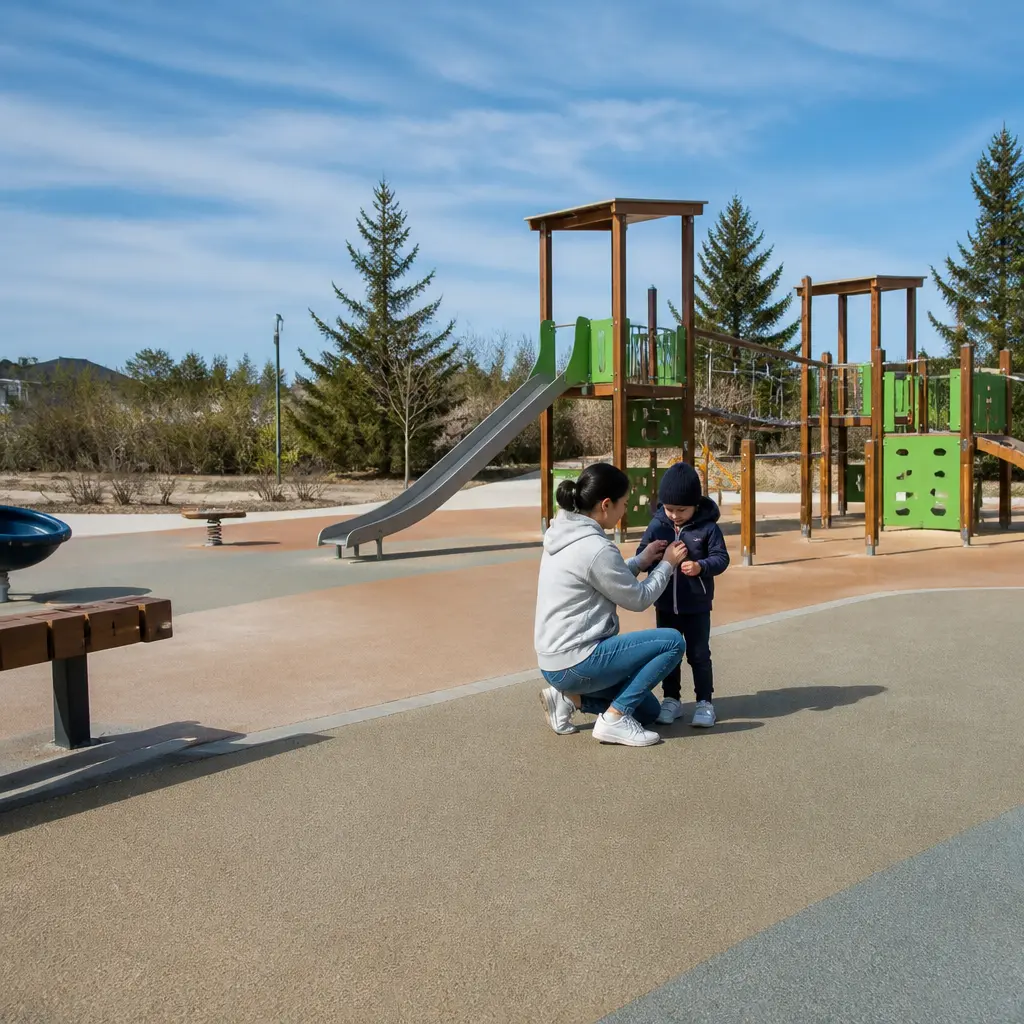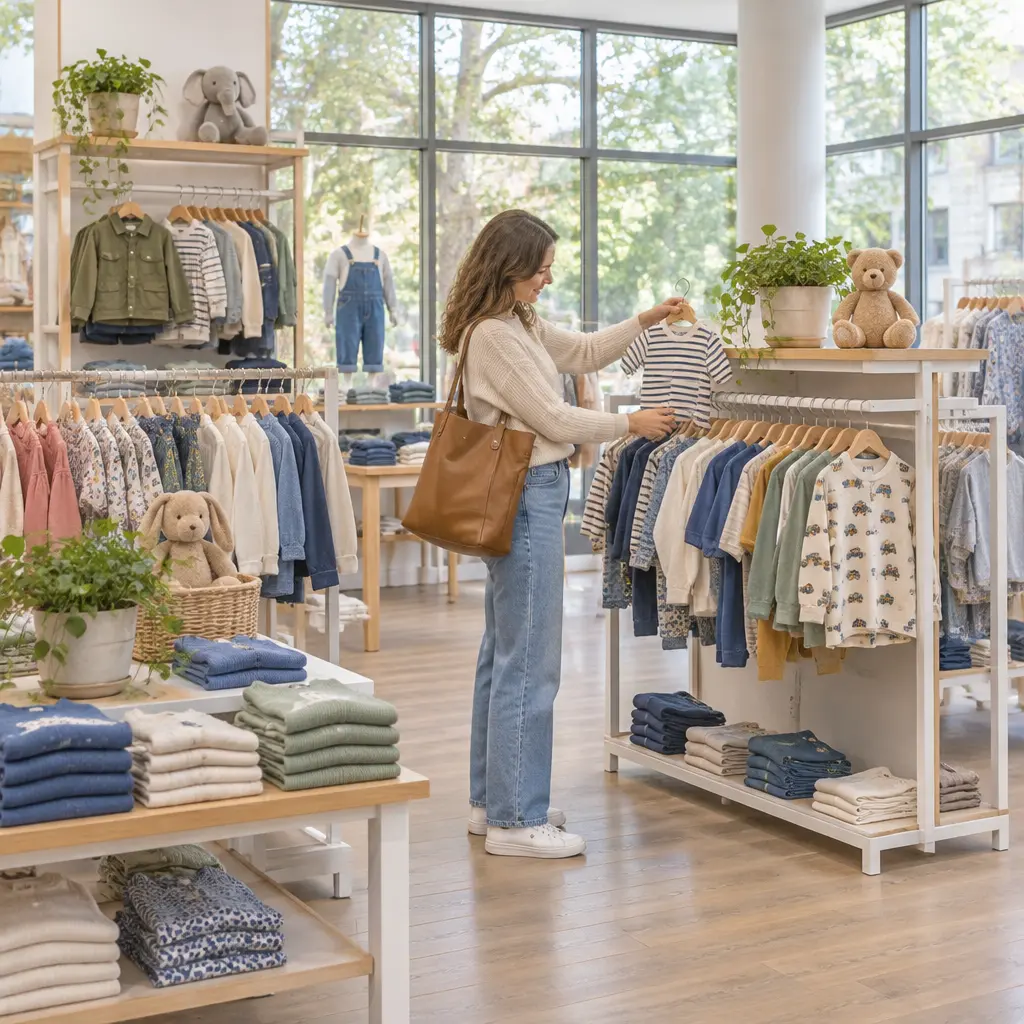
Toddler clothing is apparel designed for children roughly 1 to 3 years old, when rapid growth meets a new level of movement and growing independence. Compared with baby wear, it generally needs to support walking, climbing, and self-dressing; compared with clothing for older children, it must still accommodate diapers or toilet training, frequent changes, and close adult supervision. The distinction is practical rather than a universal sizing rule: the U.S. Consumer Product Safety Commission (CPSC) defines “children’s” products broadly as intended for children 12 years old or younger, while brands set their own age and size ranges. Fit, easy-care fabrics, safe construction, and age-appropriate design are therefore more useful guides than a label alone.
Toddler Clothing’s defining attributes
Toddler clothing is clothing for children in the developmental transition from infancy to early childhood. The American Academy of Pediatrics (AAP) describes toddlerhood as a period of rapid growth and expanding motor skills; clothing must accommodate both the child’s body and the activities that come with becoming more mobile. “Toddler” is a retail and developmental category, not one standardized garment specification, so size charts and construction vary by manufacturer.
The key difference is the combination of mobility, changing body proportions, and increasing participation in dressing and toileting. Baby clothes prioritize care access and a largely reclined or carried child; toddler clothes prioritize movement and quick changes; older children’s clothes can assume greater independence and may be cut for a wider range of activities and preferences. These categories overlap, especially around the transition out of diapers.
Age, size, and fit
Toddler sizing commonly covers approximately ages 1–3, but labels such as 2T, 3T, and 4T are not exact measurements shared across all brands. A “T” size often signals a toddler-oriented cut, sometimes allowing extra room for a diaper, but fit can differ substantially by maker. The Centers for Disease Control and Prevention (CDC) notes that children grow at different rates and recommends tracking growth over time rather than treating a single measurement as a forecast. For shopping, compare a child’s height, weight, and waist with the specific brand’s chart, and check that the garment allows sitting, squatting, and reaching without pulling or restricting movement.
Construction for movement and changing
Toddler garments commonly use flexible waistbands, roomy cuts, reinforced knees, and openings that make dressing and diaper changes easier. These details respond to a child who may be walking, crawling, climbing, or practicing dressing throughout the day. Baby garments often emphasize access for lying-down changes, such as snaps along the legs, while toddler garments more often use pull-on pants and tops that can be managed upright. For children toilet training, elastic waists and simple closures can make bathroom routines easier, though children’s readiness varies and clothing alone does not determine it.
Toddler Clothing differs from baby wear in care and mobility
Baby wear is designed primarily around infant care: holding, feeding, sleeping, and frequent changes. Toddler clothing must retain practical access while accommodating an increasingly active child. The World Health Organization’s 2006 Child Growth Standards cover children from birth to 5 years, illustrating that growth continues across infancy and toddlerhood; however, the standards measure growth, not garment sizes. This is why a child’s actual proportions and mobility are more dependable fit checks than age labels alone.
Closures and diaper access
Baby clothing commonly features snaps, envelope necklines, or other openings designed to make dressing and diaper changes manageable when an infant cannot cooperate. Toddler clothing may use fewer all-over fasteners and more pull-on designs, because many toddlers can stand and may begin helping with dressing. For children still wearing diapers, a practical garment should allow access without requiring an unnecessarily complete outfit change. Parents can also look for closures that are secure, comfortable, and easy for an adult to inspect.
Sleepwear and safe use
Sleepwear is an important exception to the idea that toddler clothing is simply looser than baby clothing. In the United States, CPSC rules require children’s sleepwear in sizes larger than 9 months through size 14 to meet specified flammability standards or fit tightly, depending on the garment and its construction. The CPSC advises consumers to follow garment labels and care instructions; loose-fitting sleepwear can present a greater fire risk if it comes into contact with a flame. Parents should distinguish everyday pajamas from products specifically labeled and regulated as children’s sleepwear.
Toddler Clothing differs from older kids’ wear in independence and fit
Clothing for older children can assume more self-dressing, greater control over toileting, and a broader range of personal preferences. Toddler clothing, by contrast, often bridges adult assistance and emerging independence. The garment should be easy for caregivers to put on while giving the child opportunities to practice simple tasks, such as pulling up pants or managing a wide elastic waistband.
Self-dressing and toilet-training features
Toddler-friendly features include stretchy waistbands, large openings, minimal small fasteners, and simple front-and-back cues. These features can reduce frustration during dressing and support practice, but clothing should not be treated as a measure of developmental readiness. A child who prefers help may still need it, and a child who can pull on pants may not yet manage every bathroom step independently. As children grow, clothing can gradually shift toward the more varied closures and fits common in older kids’ ranges.
Durability, comfort, and laundering
Toddlers spend much of their day moving and exploring, so everyday garments benefit from comfortable seams, washable fabrics, and durable high-wear areas. The U.S. Environmental Protection Agency (EPA) reports that Americans generated 17 million tons of textiles in 2018, underscoring the scale of textile waste and the value of keeping usable garments in circulation. Buying a small, practical wardrobe, repairing minor damage, and passing on outgrown clothes can reduce waste as well as household expense. Check care labels, and choose fabrics that suit the child’s skin, climate, and likely use rather than assuming one fiber is best for every child.
Safety and selection make toddler clothing age-appropriate
Safe toddler clothing balances fit, comfort, and construction. A garment that is too tight can impede comfortable movement; one that is excessively loose may catch on play equipment or create other hazards depending on its design and use. The CPSC regulates many aspects of children’s products and clothing, including applicable flammability and small-parts requirements. Caregivers should inspect garments regularly as children grow and as items wear.
Drawstrings, small parts, and garment checks
The CPSC warns that drawstrings on children’s upper outerwear can catch on playground equipment, bus doors, or other objects. Its guidelines call for removing or avoiding drawstrings in the hood and neck area of children’s upper outerwear in sizes 2T through 12, and limiting waist and bottom drawstrings in sizes 2T through 16. Before use, check for loose buttons, broken snaps, sharp or exposed fasteners, fraying, and cords that could snag. Follow product warnings and recall notices, particularly for sleepwear and garments with attached accessories.
A practical buying checklist
A useful toddler wardrobe is shaped by the child’s size, routine, climate, and stage of independence—not by age labels alone. Before buying, consider:
- Measure height and waist, then compare them with the manufacturer’s current size chart.
- Check movement by having the child sit, squat, and raise their arms in the garment.
- Choose easy closures and waistbands suited to diaper changes or toilet-training routines.
- Use sleepwear labeled for its intended purpose and follow its care and safety instructions.
- Inspect cords, buttons, snaps, and seams, and replace or repair damaged garments.
- Consider washable, durable items that can be reused, handed down, or donated when outgrown.
Conclusion: choose toddler clothing for the transition it serves
Toddler clothing differs from baby and older kids’ wear because it serves a distinct transition: children are more mobile and increasingly involved in dressing, yet many still need diaper access, adult help, and close attention to fit and safety. The most useful attributes are comfortable room for movement, practical closures, durable and washable construction, and safe details such as drawstring-free upper outerwear. Since toddler sizing is not standardized, use the individual brand’s measurements and the child’s comfort rather than relying on age labels. Review clothing as your child grows, follow CPSC safety guidance, and consider passing along usable garments to extend their life.
Sources: American Academy of Pediatrics, “Toddler Development,” HealthyChildren.org, https://www.healthychildren.org/English/ages-stages/toddler/Pages/default.aspx; Centers for Disease Control and Prevention, “Growth Charts,” https://www.cdc.gov/growthcharts/; World Health Organization, WHO Child Growth Standards, https://www.who.int/tools/child-growth-standards; U.S. Consumer Product Safety Commission, “Children’s Sleepwear Regulations,” https://www.cpsc.gov/Business–Manufacturing/Business-Education/Business-Guidance/Clothing/Childrens-Sleepwear-Regulations; U.S. Consumer Product Safety Commission, “Drawstrings in Children’s Upper Outerwear,” https://www.cpsc.gov/Business–Manufacturing/Business-Education/Business-Guidance/Clothing/Drawstrings-in-Childrens-Upper-Outerwear; U.S. Environmental Protection Agency, “Textiles: Material-Specific Data,” https://www.epa.gov/facts-and-figures-about-materials-waste-and-recycling/textiles-material-specific-data