Toddler clothing is apparel designed for young children as they move from infancy toward preschool, typically around ages 1 to 3. Choosing it well means balancing fit, comfort, weather protection, durability, and safety—not simply selecting the right age label. The American Academy of Pediatrics (AAP) advises caregivers to keep children’s sleepwear away from flames and heat and to use sleep clothing that fits snugly or is flame-resistant. This guide explains toddler clothing sizes, fabrics, everyday and seasonal layers, sleepwear, footwear, safety, care, and practical ways to shop.
Toddler clothing fit supports comfort and movement
Fit describes how a garment sits on a child’s body and whether it allows comfortable movement without creating hazards. There is no single universal toddler size: brands use different measurements and age ranges, so a size marked “2T” is a starting point rather than a guarantee. The U.S. Consumer Product Safety Commission (CPSC) defines children’s clothing sizes through body measurements and labeling rules; in practice, caregivers should compare a child’s current measurements with each brand’s chart.
Measure the child rather than relying on age labels
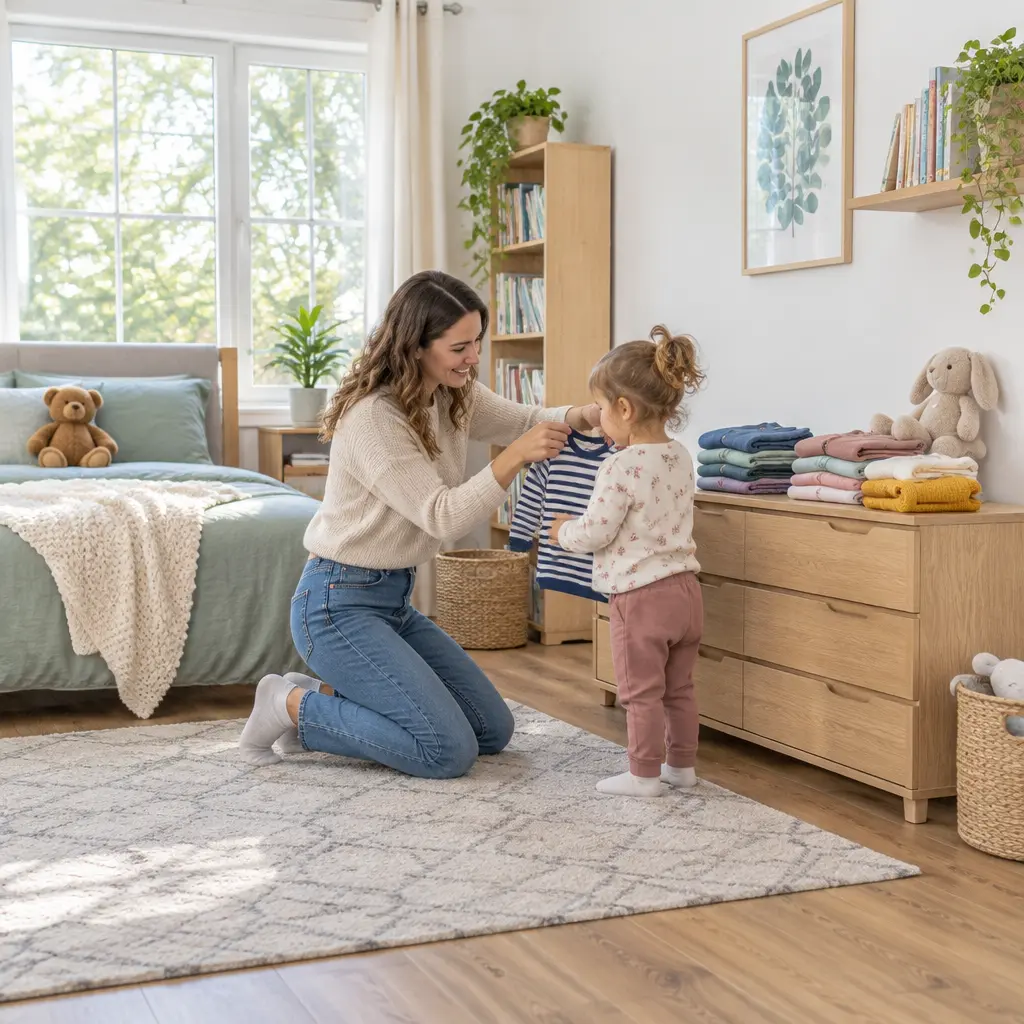
Measure height, chest, waist, and—in pants—inseam, then check the manufacturer’s chart. Fit should allow a toddler to sit, squat, reach, and climb without seams pulling or waistbands digging in. Clothing that is excessively long or loose can trip a child or catch on play equipment, while tight garments can restrict movement and irritate skin. Recheck fit regularly because toddlers grow quickly; replace items when cuffs, waistbands, or closures no longer fit comfortably.
Understand baby, toddler, and children’s size labels
Labels such as 24 months, 2T, and 3T are not perfectly interchangeable. “Months” sizing is often designed around infant proportions, while “T” sizing generally accommodates a toddler’s changing shape, but conventions vary by brand. Keep a short list of measurements and note which brands run small or large. When buying online, use the garment’s measurement chart and read the return policy rather than choosing only by the child’s age.
Toddler clothing fabrics and construction affect comfort
Fabric is the material used to make clothing; construction includes seams, fasteners, waistbands, and other details that affect how it wears. For toddlers, useful qualities include softness, breathability, easy washing, and enough stretch for active play. The Federal Trade Commission (FTC) requires most textile products to disclose fiber content and the identity of the manufacturer or marketer, which helps caregivers compare materials.
Choose fibers for the activity and climate
Cotton is widely used for everyday tops and pajamas because it is soft and absorbent. Wool and synthetic insulating fabrics can help retain warmth in cold conditions, while lightweight, breathable fabrics may be more comfortable in warm weather. No fiber is best for every child or setting: consider the weather, the activity, the child’s skin sensitivities, and the care label. For children with recurring irritation, ask a health professional whether a particular fabric, detergent, or finish may be contributing.
Check seams, fasteners, and small decorations
Well-finished seams and secure closures help clothes tolerate frequent movement and laundering. Inspect buttons, snaps, bows, beads, and other attached decorations, especially on garments used by children who still mouth objects. Small parts that detach can pose a choking hazard. The CPSC identifies choking as a leading hazard for young children; caregivers should remove damaged items and avoid garments with loose components. Choose fasteners that adults can use reliably but that do not create sharp edges or pinch skin.
Toddler clothing layers adapt to weather and activity
Layering means combining clothing pieces so warmth and protection can be adjusted as conditions change. A practical system typically uses a comfortable base layer, an insulating middle layer when needed, and an outer layer for wind or rain. The National Weather Service emphasizes dressing appropriately for cold conditions and keeping exposed skin protected; caregivers should also avoid overheating children indoors or during active play.
Everyday clothing for play and childcare
Everyday outfits should support movement, toileting, meals, and messy play. Stretch-waist pants, leggings, simple tops, and easy-to-open layers can make dressing and diaper or toilet changes easier. Keep spare clothing available for spills and outdoor play. For childcare, label garments and check the center’s rules about footwear, outdoor layers, and items that may be unsuitable for climbing or group activities.
Seasonal clothing for heat, cold, and rain
In warm weather, lightweight clothing and shade help reduce heat exposure; the Centers for Disease Control and Prevention (CDC) recommends using sun protection, including protective clothing, when outdoors. In cold weather, use several comfortable layers and cover exposed areas as conditions require. Remove bulky coats before securing a child in a car seat: the National Highway Traffic Safety Administration (NHTSA) warns that thick outerwear can compress in a crash and leave harness straps too loose. Secure the harness snugly, then place a blanket or coat over the buckled child if extra warmth is needed.
Clothing for sleep and flame safety
Sleepwear is clothing intended for sleeping, including pajamas and nightgowns. The AAP advises caregivers to use snug-fitting or flame-resistant sleepwear and to keep children away from flames, heaters, and other ignition sources. In the United States, federal flammability standards apply to children’s sleepwear, with requirements varying by garment type and size. Follow the garment label, avoid oversized sleepwear, and do not use clothing with damaged or missing labels when its safety properties are uncertain.
Toddler clothing safety includes footwear and accessories
Clothing safety means selecting and maintaining garments in ways that reduce foreseeable risks, including entanglement, choking, overheating, and falls. The CPSC’s children’s product rules address hazards such as drawstrings on children’s upper outerwear. Caregivers can further reduce risk by inspecting garments, choosing suitable footwear, and matching clothing to the child’s activity and environment.
Avoid hazardous drawstrings and loose cords
Drawstrings around the hood or neck of children’s upper outerwear can catch on playground equipment, bus doors, or other objects. U.S. federal rules prohibit drawstrings at the neck or hood of covered children’s upper outerwear in specified sizes and limit waist and bottom drawstrings. Before buying or using a coat, inspect cords and remove or secure hazardous features when appropriate; follow CPSC guidance and do not let toddlers wear clothing with dangling cords during play.
Choose shoes that fit and suit the surface
Toddler footwear should fit the foot without squeezing toes or slipping off, and its sole should suit the activity. Have the child stand while checking space at the toe and heel, and reassess fit as feet grow. For active play, secure closures and a stable, nonslip sole can help the shoe stay in place. Avoid relying on a shoe’s age label alone; sizing differs among manufacturers.
Use accessories thoughtfully
Hats, mittens, and sun-protective garments can add useful coverage, but accessories should not obstruct vision, breathing, or movement. Remove scarves, long cords, and other loose items when they could catch during climbing or play. For sun exposure, combine protective clothing with shade and other measures recommended by the CDC; clothing alone does not guarantee complete protection.
Toddler clothing care extends garment life
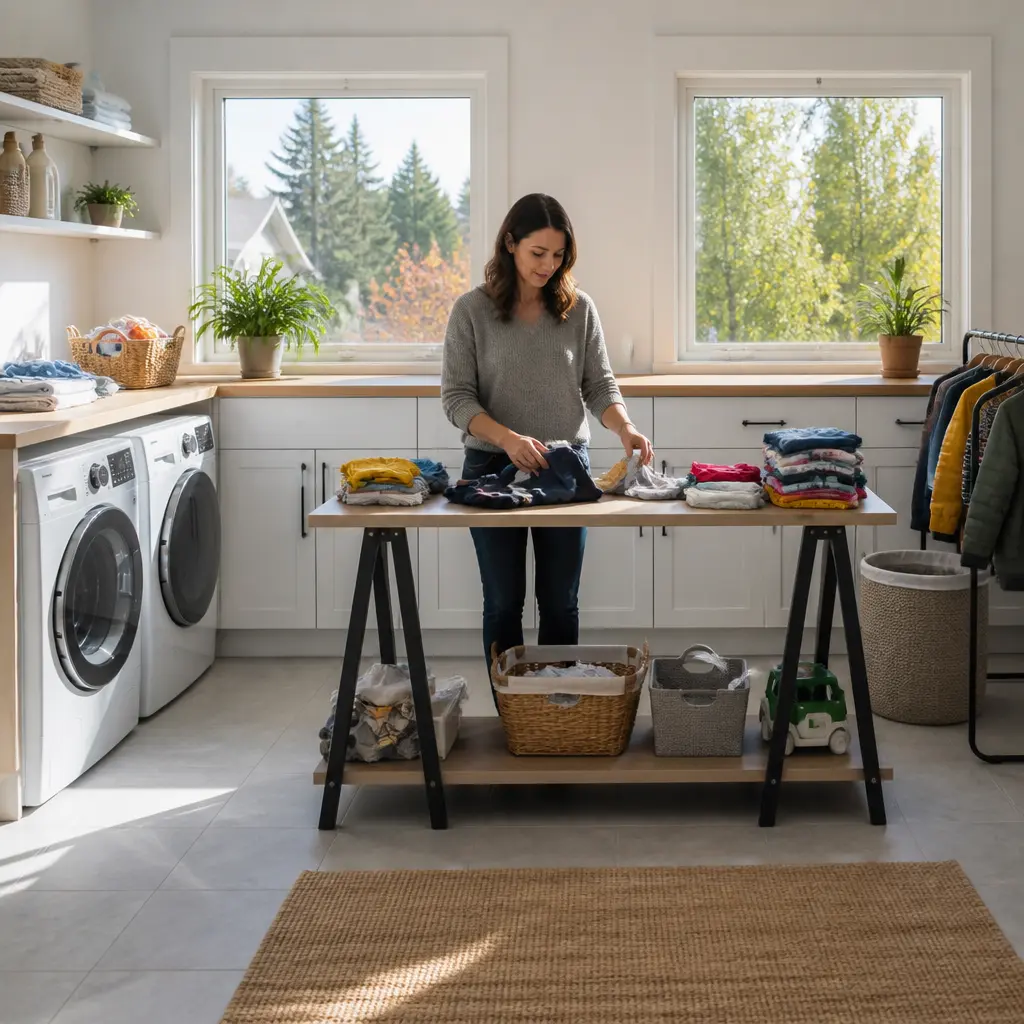
Care means laundering, drying, storing, and repairing clothing in accordance with its material and label. Good care can help garments remain comfortable and usable through frequent spills and outdoor play. The FTC’s textile labeling rules require care instructions on many covered textile products, so check the label before washing, especially for items with special finishes or mixed fibers.
Wash and store clothing appropriately
Follow the care label, sort garments when needed, and use a detergent suitable for the household’s needs. Close fasteners before washing to reduce snagging, and check pockets for small objects. Store clean, dry clothes in a place that protects them from moisture and pests. If a child develops a rash after wearing a garment, stop using it while considering possible causes such as detergent, fabric, or fit, and seek medical advice for persistent symptoms.
Repair, reuse, and pass clothing along safely
Repairing a loose seam or replacing a missing fastener can extend a garment’s useful life, provided the repair is secure and does not introduce a hazard. Before passing clothes to another child, inspect them for broken snaps, loose decorations, damaged elastic, or unsafe cords. Reuse can reduce household spending and textile waste, but safety and fit should come before keeping an item simply because it is available.
Conclusion: Toddler clothing choices balance fit, comfort, and safety
Toddler clothing works best when it fits the child’s current measurements, uses comfortable materials, supports movement, and suits the weather and activity. Caregivers should also check sleepwear and car-seat layers, avoid hazardous cords and loose small parts, choose well-fitting shoes, and follow care labels. Because children and brands vary, regular fit and safety checks are more dependable than age labels alone. Before buying or handing down clothes, review the garment, its closures, and its care and safety information—and consult the CPSC, AAP, CDC, or NHTSA for situation-specific guidance.
Sources: U.S. Consumer Product Safety Commission, Children’s Clothing, https://www.cpsc.gov/Business–Manufacturing/Business-Education/Business-Guidance/Childrens-Clothing; U.S. Consumer Product Safety Commission, Drawstrings in Children’s Upper Outerwear, https://www.cpsc.gov/Business–Manufacturing/Business-Education/Business-Guidance/Drawstrings-in-Childrens-Upper-Outerwear; Federal Trade Commission, Care Labeling of Textile Wearing Apparel and Certain Piece Goods, https://www.ftc.gov/legal-library/browse/rules/care-labeling-textile-wearing-apparel-certain-piece-goods; American Academy of Pediatrics, HealthyChildren.org, Clothing for Safe Sleep, https://www.healthychildren.org/English/ages-stages/baby/sleep/Pages/Clothing-for-Safe-Sleep.aspx; National Highway Traffic Safety Administration, Car Seats and Booster Seats, https://www.nhtsa.gov/vehicle-safety/car-seats-and-booster-seats; Centers for Disease Control and Prevention, Sun Safety, https://www.cdc.gov/skin-cancer/sun-safety/index.html; National Weather Service, Cold Weather Safety, https://www.weather.gov/safety/cold.