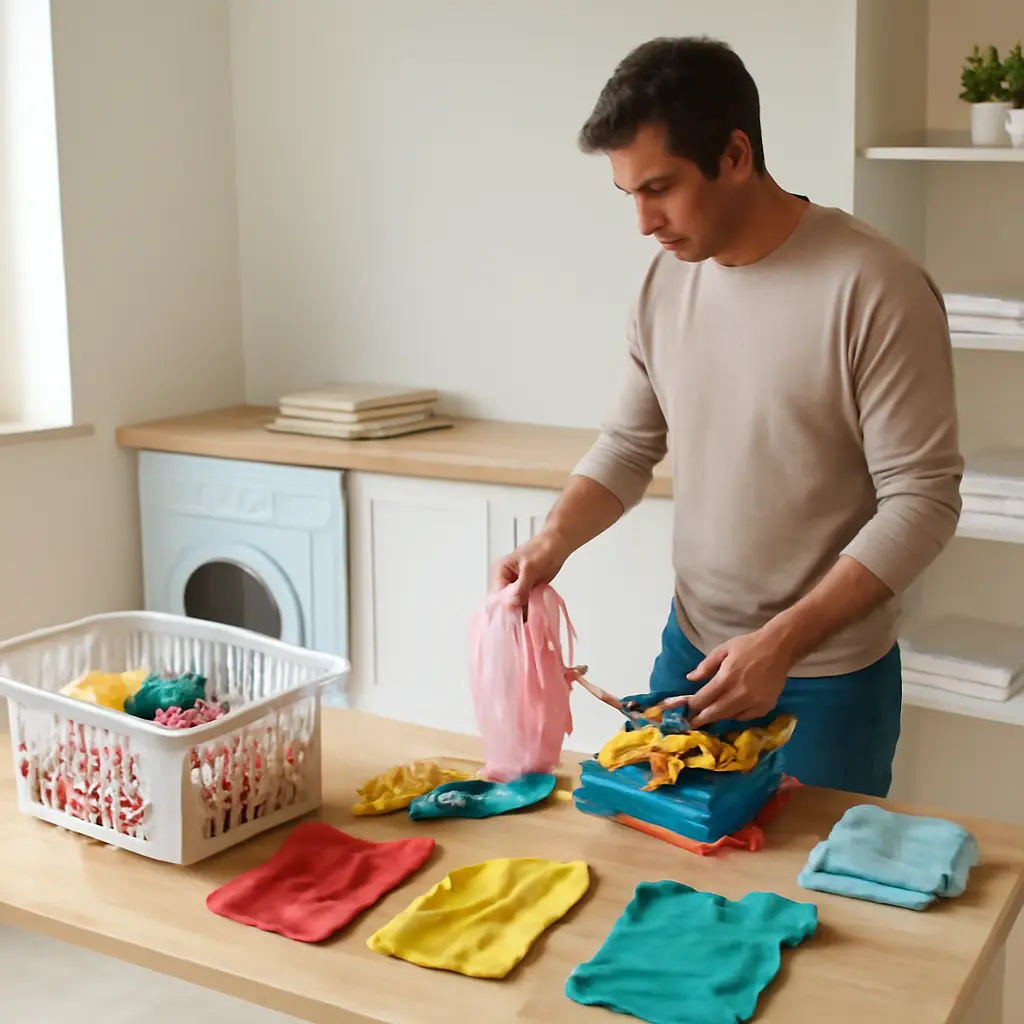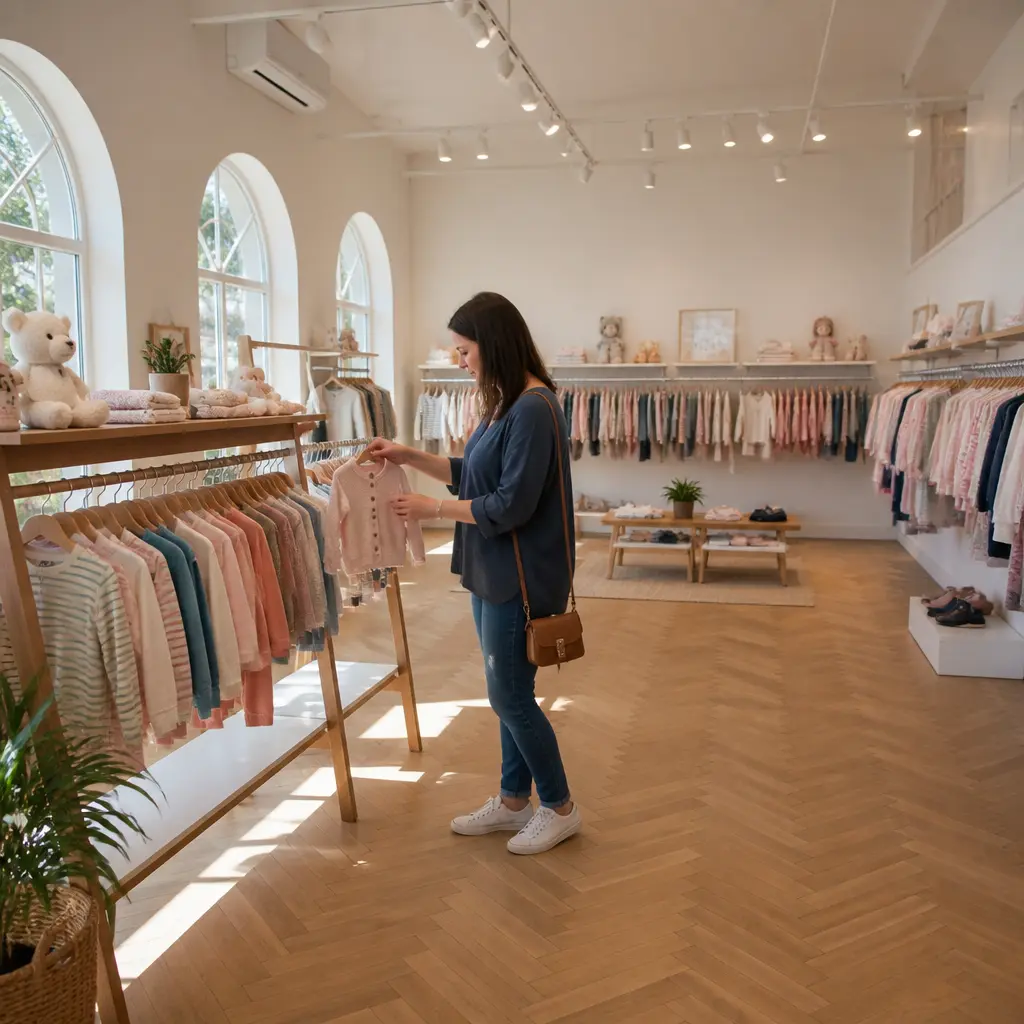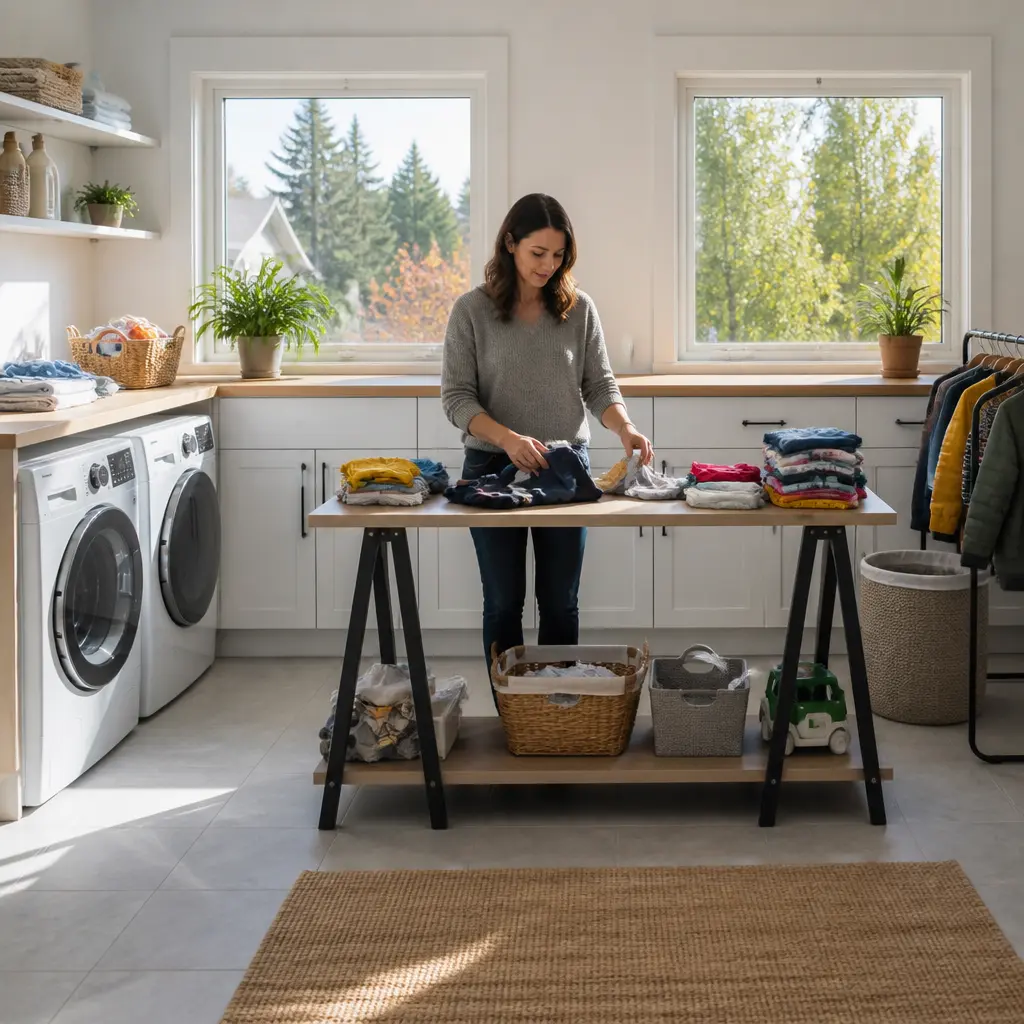
Toddler clothing features are design details that help young children get dressed, undressed, and safely move through daily routines. The most useful examples include wide neck openings, elastic waistbands, large zipper pulls, snap panels, reinforced knees, tag-free labels, sensory-friendly fabrics, and adjustable closures. These features matter because dressing is both a caregiving task and a developmental activity: the Centers for Disease Control and Prevention identifies taking off some clothing as a typical 2-year milestone and putting on some clothing as a typical 3-year milestone. Thoughtful design can therefore reduce morning friction while supporting independence, comfort, and safety.
Improve Toddler Clothing Features for Easier Dressing
Toddler clothing features can be defined as functional characteristics added to garments to improve fit, access, comfort, durability, or safety for children approximately 1 to 3 years old. In clothing design, these characteristics include both construction details, such as seams and closures, and material choices, such as stretch, softness, breathability, and washability. The Consumer Product Safety Commission treats children’s apparel as a safety-sensitive product category because garments can involve risks related to drawstrings, flammability, small parts, and entanglement.
The strongest designs address several needs at once. A stretchy neckline may make dressing faster, while also allowing a toddler to practice pulling a shirt over the head. An elastic waist can support independent toileting, and a long zipper pull can make fastening easier for small or developing hands. These are examples of related clothing-feature categories: access features, independence features, comfort features, durability features, and safety features.
Stretchy necklines and wide openings
A stretchy neckline is an opening made with elastic, rib knit, pleats, or a flexible overlap so that a garment can pass comfortably over a toddler’s head. Wide envelope necks are especially useful because the shoulder fabric opens outward rather than requiring the child’s head to fit through a narrow fixed circle.
These openings reduce tugging around the ears and face, which can be important for children who dislike clothing changes or have sensory sensitivities. They also make it easier for an adult to dress a squirming child without pulling forcefully. The opening should remain secure during play, however; excessive looseness can expose the shoulder or allow the garment to slide out of position.
Elastic waistbands and simple closures
An elastic waistband is a flexible band that expands and contracts without requiring a button, hook, or belt adjustment. Pull-on trousers, leggings, shorts, and skirts with a broad, soft waistband are often easier for toddlers than traditional fly-front garments.
The feature becomes particularly valuable during toilet learning. A child can push the garment down and pull it up with fewer steps, allowing the clothing to support the dressing routine rather than interrupt it. Functional buttons, snaps, and zippers still have a role: large openings can help with outerwear, while a single front closure may be easier to understand than several small fasteners. Clothing should not be so tight that the elastic leaves deep marks, and waistbands should be checked after washing because heat can alter stretch and fit.
Support Toddler Independence with Accessible Garment Details
Accessible garment details are features that make a clothing task easier to see, grasp, remember, or complete. They translate a complicated sequence into manageable actions, which aligns with early-childhood occupational-therapy principles of graded practice. The CDC’s milestones show why this progression matters: a 2-year-old may begin removing simple items, while a 3-year-old may begin putting on selected clothing. Garments can be matched to that changing ability rather than expecting full independence immediately.
Large zipper pulls and easy-grip fasteners
A large zipper pull is an enlarged tab attached to a zipper slider, sometimes made from fabric, rubber, or molded plastic. It gives a toddler more surface area to pinch and pull than a small metal tab. Zippers with a covered guard at the top can also reduce contact between the slider and the child’s chin or neck.
For early practice, a caregiver can start the zipper and let the child finish the upward pull. Large snaps, hook-and-loop tabs, and color-contrasting fasteners may serve a similar purpose. The best choice depends on the child’s hand strength and coordination: hook-and-loop closures require pulling apart and pressing together, while buttons require more precise finger control.
Visual cues, labels, and front-back orientation
Visual cues are design signals that help a child identify how a garment should be positioned. A small picture, colored stitch, front pocket, or printed motif can distinguish the front from the back. This seemingly minor feature can eliminate repeated questions and reduce frustration when a toddler is trying to dress independently.
Tag-free labels and printed care information are also useful. The American Academy of Pediatrics has noted that some children experience discomfort from seams, tags, or particular fabrics, so removing irritating label edges can improve tolerance. Caregivers should still preserve size and fiber information when possible, since those details help with safe laundering and garment selection.
Adaptive and sensory-friendly construction
Adaptive clothing modifies ordinary garments for children who have motor, sensory, medical, or developmental needs. Examples include side-opening tops, magnetic or simplified fasteners, wider leg openings, flat seams, soft waistbands, and garments that accommodate medical devices.
Sensory-friendly construction is not limited to children with a diagnosis. Soft cotton blends, smooth interiors, minimal seams, and breathable layers can help many toddlers tolerate dressing. Fabric choice should reflect the activity and climate: lightweight, breathable material can reduce overheating, while layered clothing can provide flexibility in colder conditions. A practical test is whether the child can bend, climb, sit, and run without fabric pulling across the shoulders, waist, knees, or diaper area.
Increase Toddler Clothing Durability and Daily Practicality
Durable toddler clothing features are construction choices that help garments withstand crawling, climbing, spills, frequent washing, and repeated dressing. Durability has a practical sustainability benefit: extending the usable life of a garment can reduce replacement frequency and make hand-me-downs more viable.
Reinforced knees and flexible fabrics
Reinforced knees use additional fabric, denser stitching, or a double layer in a high-wear area. They are useful for toddlers who spend time kneeling, crawling, or playing outdoors. Stretch fabrics, such as cotton-spandex knits, can improve mobility when the garment is properly fitted, although excessive stretch may reduce shape retention over time.
Flat or covered seams can improve comfort while reducing abrasion. Strong stitching at pockets, crotches, and fasteners helps prevent small tears from becoming larger openings. These details are especially relevant in childcare settings, where a limited wardrobe may be washed frequently and used across many active days.
Washable fabrics and stain-conscious design
Washable toddler clothing is made from fibers and trims that tolerate the laundering conditions listed on the care label. Machine-washable fabrics, colorfast dyes, secure appliqués, and quick-drying layers reduce the time and effort required after meals, outdoor play, or toileting accidents.
Parents can improve garment life by following the Federal Trade Commission’s care-label instructions, fastening closures before washing, and checking for loose threads or damaged trims. A pocket, darker lower panel, or patterned fabric may make everyday marks less visible, but stain concealment should never replace regular cleaning.
Protect Toddlers with Safer Clothing Features
Safety-oriented clothing features reduce foreseeable hazards without making the garment difficult to use. The Consumer Product Safety Commission has specifically warned about drawstrings in children’s upper outerwear because cords can catch on playground equipment, furniture, doors, and moving vehicles. Caregivers should avoid loose neck or hood cords and inspect garments regularly for detached toggles, broken snaps, and loose decorative pieces.
Cord-free hoods and secure decorative elements
Cord-free hoods replace adjustable neck or hood drawstrings with elastic, snaps, or a fixed shape. If a hood is used, it should not obstruct peripheral vision or create a catching point during active play. Decorative bows, sequins, beads, and appliqués should be firmly attached, particularly when clothing will be worn by a child who mouths objects.
The CPSC also regulates children’s sleepwear for flammability. Properly fitted snug garments or compliant flame-resistant sleepwear are safer choices than oversized loose sleepwear, and daytime clothing should not automatically be substituted for sleepwear unless it is appropriate for that use.
Visibility and weather-appropriate layers
High-visibility colors or reflective elements can help adults see toddlers in low-light outdoor conditions, although they do not replace supervision. Weather-appropriate layering helps regulate comfort: breathable base layers can manage perspiration, while removable outer layers prevent overheating when a child moves between indoor and outdoor environments.
A useful clothing check is to assess fit, temperature, movement, and condition before leaving home. Sleeves should not cover the hands during activities, trouser hems should not drag, footwear should remain secure, and no cord or loose trim should interfere with play. These simple checks convert clothing selection into a repeatable safety routine.
Apply Toddler Clothing Features in Everyday Routines
A practical example is a daycare outfit built around a wide-neck knit top, pull-on trousers, elastic-sided shoes, and a lightweight zip jacket with a large pull. The adult can complete the difficult steps while allowing the toddler to choose the shirt, insert arms, pull trousers upward, and finish the zipper. This approach uses access features and independence features together rather than treating dressing as an all-or-nothing skill.
Caregivers can also arrange clothing in the order it will be used, place the front of each garment face up, and offer two acceptable choices. Occupational-therapy practice commonly favors breaking complex self-care activities into smaller steps and gradually reducing assistance. Clothing with clear front-back cues and uncomplicated closures makes that progression easier to repeat.
Before buying, inspect each garment for four questions: Can the child move freely? Can the adult change the child quickly? Can the child practice one part of the task? Are there any cords, loose parts, irritating seams, or unsafe fits? A garment that answers yes to the first three and no to the last is likely to be more useful than one chosen only for appearance.
Conclusion: Choose Toddler Clothing Features That Build Comfort and Confidence
The most helpful toddler clothing features combine easy access, developmental support, comfort, durability, and safety. Stretchy necklines and elastic waists simplify dressing; large zipper pulls, visual cues, and adaptive closures encourage independence; reinforced construction and washable fabrics withstand daily use; and cord-free, well-fitted designs reduce avoidable hazards. CDC developmental milestones provide useful context for matching clothing tasks to a child’s emerging abilities, while guidance from the Consumer Product Safety Commission and the American Academy of Pediatrics reinforces the importance of safe construction and sensory comfort.
Families and childcare providers can make dressing easier by selecting garments that remove unnecessary steps, checking fit and condition regularly, and giving toddlers small opportunities to participate. For further guidance, compare clothing-care instructions with current child-product safety recommendations and consult a pediatrician or occupational therapist when dressing difficulties appear persistent, painful, or linked to motor or sensory concerns.
Sources: Centers for Disease Control and Prevention, Developmental Milestones, https://www.cdc.gov/ncbddd/actearly/milestones/; U.S. Consumer Product Safety Commission, Drawstrings in Children’s Upper Outerwear, https://www.cpsc.gov/s3fs-public/pdfs/5091.pdf; U.S. Consumer Product Safety Commission, Children’s Sleepwear Regulations, https://www.cpsc.gov/Business–Manufacturing/Business-Education/Business-Guidance/Clothing/Childrens-Sleepwear; American Academy of Pediatrics, HealthyChildren.org, Dressing and Clothing Tips for Children, https://www.healthychildren.org/English/ages-stages/toddler/Pages/Dressing-and-Clothing-Tips.aspx; Federal Trade Commission, Clothing and Textile Labeling, https://www.ftc.gov/business-guidance/industry/clothing-textiles