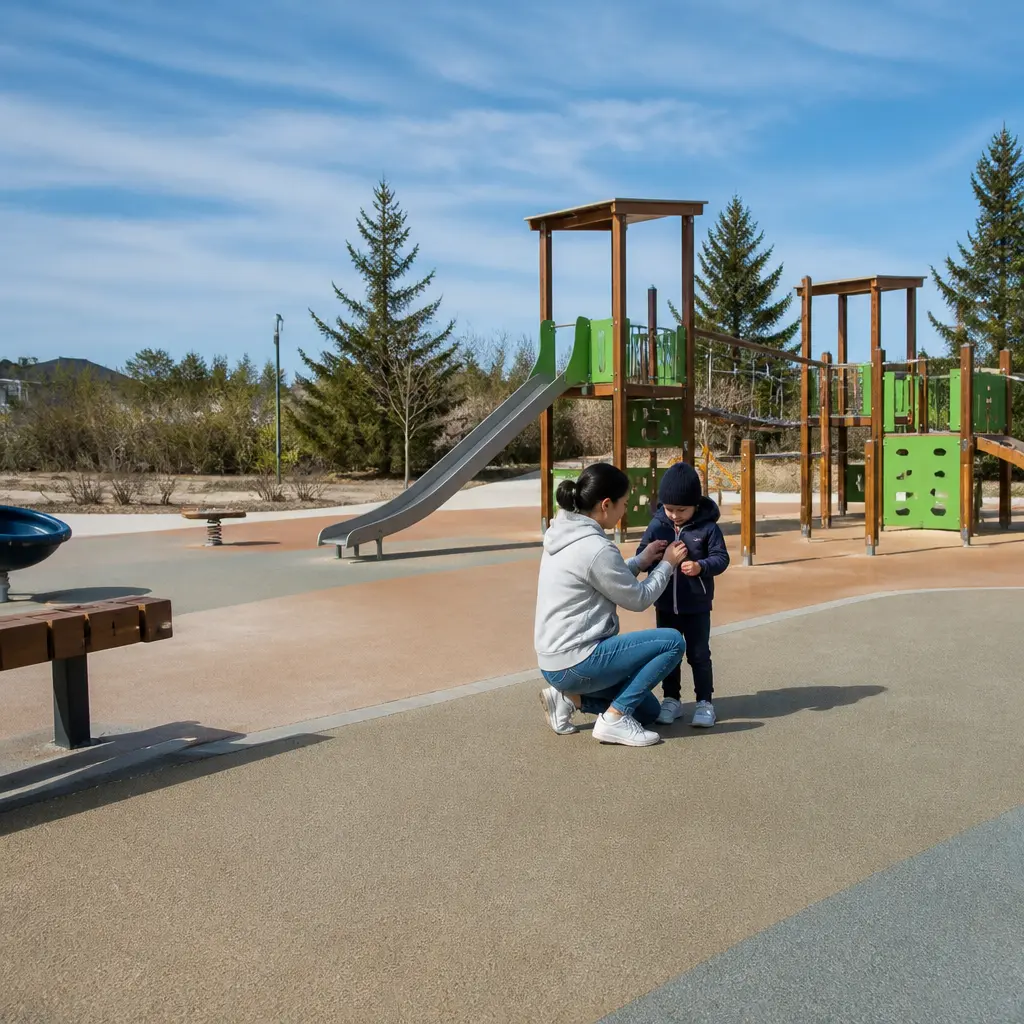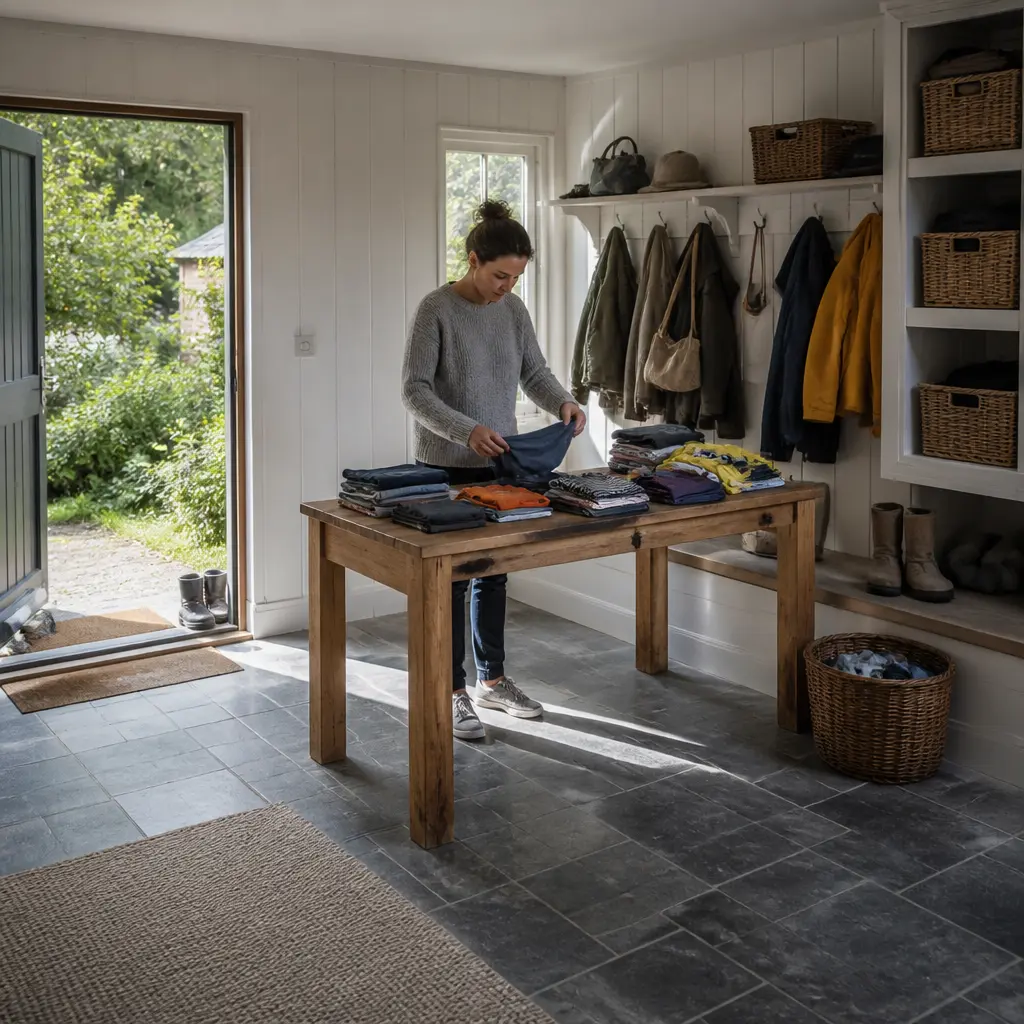
Boys’ adventure wardrobe durability is the ability of a child’s clothing collection to withstand active play, changing weather, frequent washing, growth, and repeated hand-me-down use. The most practical approach combines a small capsule of hard-wearing basics, adaptable layers, safe construction, repairable materials, and a buying plan based on cost per wear rather than price alone. This matters because children’s clothing is exposed to unusually high abrasion and laundering, while the U.S. Environmental Protection Agency reported that Americans generated about 17 million tons of textiles in 2018, with roughly 11.3 million tons sent to landfills. A lasting wardrobe therefore supports comfort and independence while reducing replacement costs and textile waste.
Boys’ Adventure Wardrobe Durability: Definition, Characteristics, and Scope
Boys’ adventure wardrobe durability is a practical clothing attribute pairing: “boys’ adventure wardrobe” identifies the collection designed for active children, while “durability” describes its resistance to tearing, abrasion, shrinking, color loss, seam failure, and premature obsolescence. The pairing also includes functional longevity, meaning that a garment remains useful as weather, activities, and a child’s size change.
A durable wardrobe is not necessarily the wardrobe with the thickest or most expensive garments. Its key characteristics are suitable fabric weight, reinforced stress points, secure fasteners, washable finishes, adjustable sizing, layering compatibility, and designs that can be repaired or passed to another child. The Consumer Product Safety Commission’s guidance on children’s clothing also makes safety part of practical quality: certain neck and waist drawstrings create entanglement risks, so safer garments avoid hazardous cords or use compliant construction.
The main hyponyms of this attribute pairing are everyday durability, outdoor durability, seasonal adaptability, growth durability, and circular durability. Everyday durability concerns school and play clothes; outdoor durability concerns rain, mud, cold, and rough surfaces; seasonal adaptability concerns layers; growth durability concerns fit adjustments; and circular durability concerns repair, resale, donation, and reuse.
Everyday Durability
Everyday durability means a garment can withstand ordinary school days, playground activity, spills, kneeling, climbing, and repeated laundering without quickly losing its shape or function. Look for tightly woven cotton, cotton blends, midweight jersey, canvas, denim with a small amount of stretch, and synthetic performance fabrics where quick drying is useful.
- Examine the inside and outside of knees, elbows, seat seams, pocket openings, and belt loops.
- Prefer bar-tacked or double-stitched stress points over decorative stitching alone.
- Choose elastic waistbands, adjustable tabs, or functional cuffs when they extend the useful size range.
- Reject garments with twisted seams, loose thread ends, weak snaps, or fabric that becomes transparent when lightly stretched.
These details connect everyday durability with cost per wear. A $30 pair of trousers worn 60 times costs 50 cents per wear, while a $15 pair worn 10 times costs $1.50 per wear. The cheaper item is therefore less economical if it fails quickly or remains uncomfortable.
Outdoor Durability
Outdoor durability is the ability to protect a child during messy, wet, windy, cold, or high-abrasion activities. It does not require buying specialized clothing for every sport. A compact system of base layers, insulating layers, weather-resistant shells, durable trousers, and protective accessories covers most adventures.
- Base layers should move moisture away from the skin and dry reasonably quickly.
- Mid-layers such as fleece, wool blends, or quilted vests provide insulation without excessive bulk.
- Shells should block wind and light rain, with covered zippers and cuffs that limit water entry.
- Adventure trousers benefit from reinforced knees, stretch, articulated shaping, and quick-drying fabric.
- Hats, gloves, socks, and waterproof footwear often determine comfort more than an extra jacket.
The Outdoor Industry Association’s 2024 Outdoor Participation Trends Report counted approximately 175.8 million Americans participating in outdoor recreation in 2023. Although the figure covers all ages, it demonstrates the scale of outdoor activity and supports designing children’s wardrobes for movement rather than formal appearance alone.
Building a Boys’ Adventure Wardrobe Around Layering and Versatility
Layering is the wardrobe structure that links versatility with durability. Instead of purchasing many single-purpose outfits, families can select garments that work together across school, travel, camping, sports spectating, and ordinary play. A layer can be removed when a child overheats, replaced when it becomes dirty, or combined with another seasonally.
The Base Capsule
A practical starting capsule for one boy might include seven to ten everyday tops, five to seven bottoms, two warm mid-layers, one rain shell, one insulated coat appropriate to the climate, seven to ten pairs of socks and underwear, two pairs of everyday shoes, and one pair of weather-specific footwear. The exact quantity depends on laundry frequency, school rules, climate, and access to sports uniforms.
Neutral or coordinating colors make the capsule more versatile, but durability does not require a colorless wardrobe. A useful method is to choose two or three base colors, one accent color, and patterns that conceal ordinary marks. Graphic tops can still provide personality, while plain layers make more combinations possible.
Seasonal Adaptability
Seasonal adaptability is the capacity of a garment to serve across temperature changes. Long-sleeved shirts can become winter base layers or spring standalone tops; athletic shorts can work for sleep, sport, and hot-weather play; and a vest can extend the usefulness of a sweatshirt without restricting arm movement.
A simple wardrobe planning chart can rank each garment by three factors: temperature range, activity range, and wash frequency. For example, a midweight jogger may score high for school, travel, and playground use, while a heavy snow pant may score high for winter weather but low for everyday versatility. Buy specialized pieces only when the child regularly encounters the condition they are designed for.
Choosing Fabrics, Construction, and Fit for Long-Term Use
Fabric performance is the relationship between fiber content, yarn construction, fabric weight, finishing, and care. Fiber labels alone cannot guarantee quality: a well-made cotton blend may outlast a poorly constructed garment made from a premium fiber. Inspect the finished item and follow the care label because excessive heat, harsh bleaching, and over-drying can shorten the life of many fabrics.
Fabric Selection
- Cotton is comfortable and breathable, but untreated cotton may dry slowly and shrink if washed or dried with excessive heat.
- Polyester and nylon are often useful for quick-drying layers, outerwear, and abrasion resistance, though odor retention and heat comfort vary.
- Wool and wool blends provide warmth over a broad temperature range, but they require careful washing and may not suit every child’s skin.
- Elastane improves mobility but can lose recovery when exposed to high heat, chlorine, or prolonged wear.
- Canvas, twill, and other tightly woven fabrics generally resist playground abrasion better than very lightweight fashion fabrics.
The Federal Trade Commission requires most textile products sold in the United States to disclose fiber content and care instructions. Use those labels as a comparison tool, not as a substitute for examining seams, stretch recovery, and intended use.
Fit That Accommodates Growth
Growth-friendly fit provides enough room for movement without creating safety or tripping hazards. Adjustable waistbands, extendable cuffs, shoulder straps, generous hems, and two-way zippers can add months of use. However, buying several sizes too large usually reduces durability because excess fabric catches on equipment and causes knees or cuffs to drag.
Check fit while the child walks, squats, reaches overhead, and sits. Trousers should remain secure without cutting into the waist; sleeves should cover the wrist during movement; and outerwear should allow a base layer underneath. For sleepwear, follow the garment’s fit and labeling requirements carefully. The U.S. Consumer Product Safety Commission warns that loose-fitting children’s sleepwear presents a flammability concern, which is why compliant sleepwear is often close-fitting or made with flame-resistant materials.
Maintaining, Repairing, and Circulating the Wardrobe
Wardrobe maintenance is the practice that converts good purchasing decisions into long service life. Wash garments at the lowest effective temperature, close zippers and fasteners before laundering, separate heavily soiled items when practical, and avoid using more detergent than the label recommends. Air-drying or low-heat drying can help protect elastic fibers, prints, and waterproof finishes.
A Repair-First Routine
Repair-first care means fixing a loose button, split seam, small hole, or detached belt loop before damage spreads. Keep a small kit with matching thread, needles, iron-on patches, fabric adhesive, spare buttons, and elastic. Knees and elbows can receive interior or exterior patches; a worn hem can be shortened; and a jacket zipper may be replaceable even when the rest of the garment remains sound.
Create a monthly five-minute inspection routine. Place damaged clothing in a labeled repair basket rather than returning it to the drawer. This turns repair into a visible household task and prevents children from abandoning otherwise usable garments.
Reuse, Resale, and Responsible Disposal
Circular durability begins when a garment is selected for more than one owner. Choose classic shapes, durable colors, and care instructions that another family can follow. Photograph higher-value items before storage, label removable gear, and store clean clothing in a dry, breathable place. Pass garments on when they are still functional rather than waiting until stains, tears, or stretched elastic make them difficult to reuse.
The EPA’s textile data illustrates why this matters: only about 14.7 percent of textiles were recycled in its 2018 material-flow estimate, while most were landfilled or combusted. Extending wear through siblings, resale, repair, donation, and textile recycling reduces the need for new production and keeps useful materials in circulation longer.
A Practical Buying Checklist for Every Adventure
- List the child’s real activities, climate, school requirements, and laundry schedule before shopping.
- Build around versatile base layers, durable bottoms, warm mid-layers, and weather protection.
- Inspect seams, stress points, fasteners, waistbands, cuffs, and fabric recovery in person when possible.
- Check fiber content, care instructions, safety features, and whether the garment can be repaired.
- Calculate expected cost per wear instead of comparing purchase prices alone.
- Buy specialized items only when they solve a recurring problem such as snow, rain, or organized sport.
- Set aside a repair basket and establish a simple wash, dry, and inspection routine.
- Plan the next owner through hand-me-downs, resale, donation, or textile recycling.
A useful test is the “three-adventure rule”: before buying, identify at least three situations in which the item will be worn, such as school, hiking, and travel. If it serves only one rare occasion, renting, borrowing, buying secondhand, or choosing a more versatile alternative may be better.
Conclusion: A Boys’ Adventure Wardrobe That Grows With the Child
Boys’ adventure wardrobe durability combines everyday strength, outdoor protection, seasonal adaptability, growth-friendly fit, and circular use. A small layered capsule can outperform an overfilled closet when it contains reinforced construction, suitable fabrics, safe designs, and pieces that coordinate across activities. Care labels, repair habits, cost-per-wear calculations, and responsible hand-me-down planning make the system last longer while addressing the environmental burden of textile waste.
Start by auditing the current wardrobe, identifying the three garments that receive the most wear, and replacing weak points rather than shopping for an entirely new collection. For further guidance, compare official textile-care information from the Federal Trade Commission, children’s product safety advice from the Consumer Product Safety Commission, textile data from the Environmental Protection Agency, and participation research from the Outdoor Industry Association.
Sources: U.S. Environmental Protection Agency, Facts and Figures about Materials, Wastes and Recycling, https://www.epa.gov/facts-and-figures-about-materials-waste-and-recycling/textiles-material-specific-data; U.S. Consumer Product Safety Commission, Children’s Clothing, https://www.cpsc.gov/Business–Manufacturing/Business-Education/Business-Guidance/Childrens-Clothing; U.S. Federal Trade Commission, Clothing and Textiles, https://www.ftc.gov/business-guidance/industry/clothing-textiles; Outdoor Industry Association, 2024 Outdoor Participation Trends Report, https://outdoorindustry.org/resource/2024-outdoor-participation-trends-report/