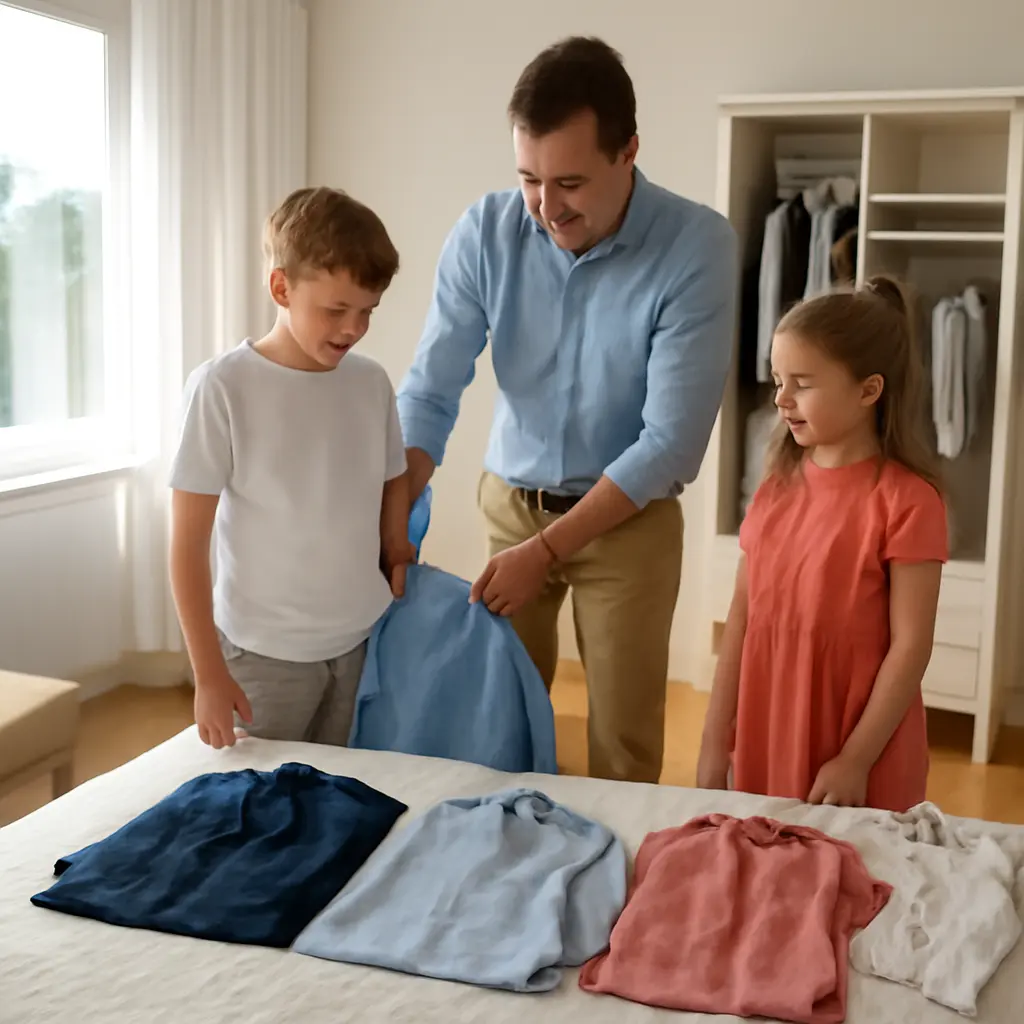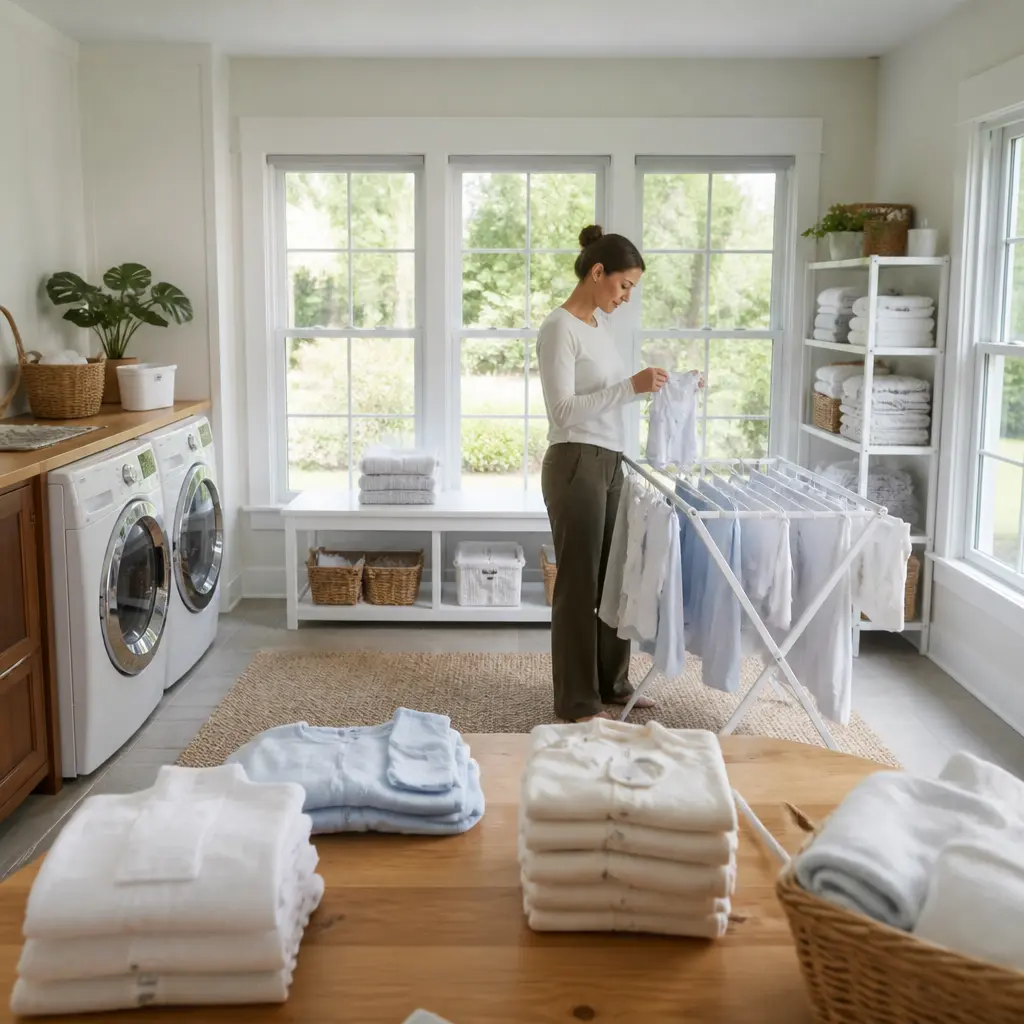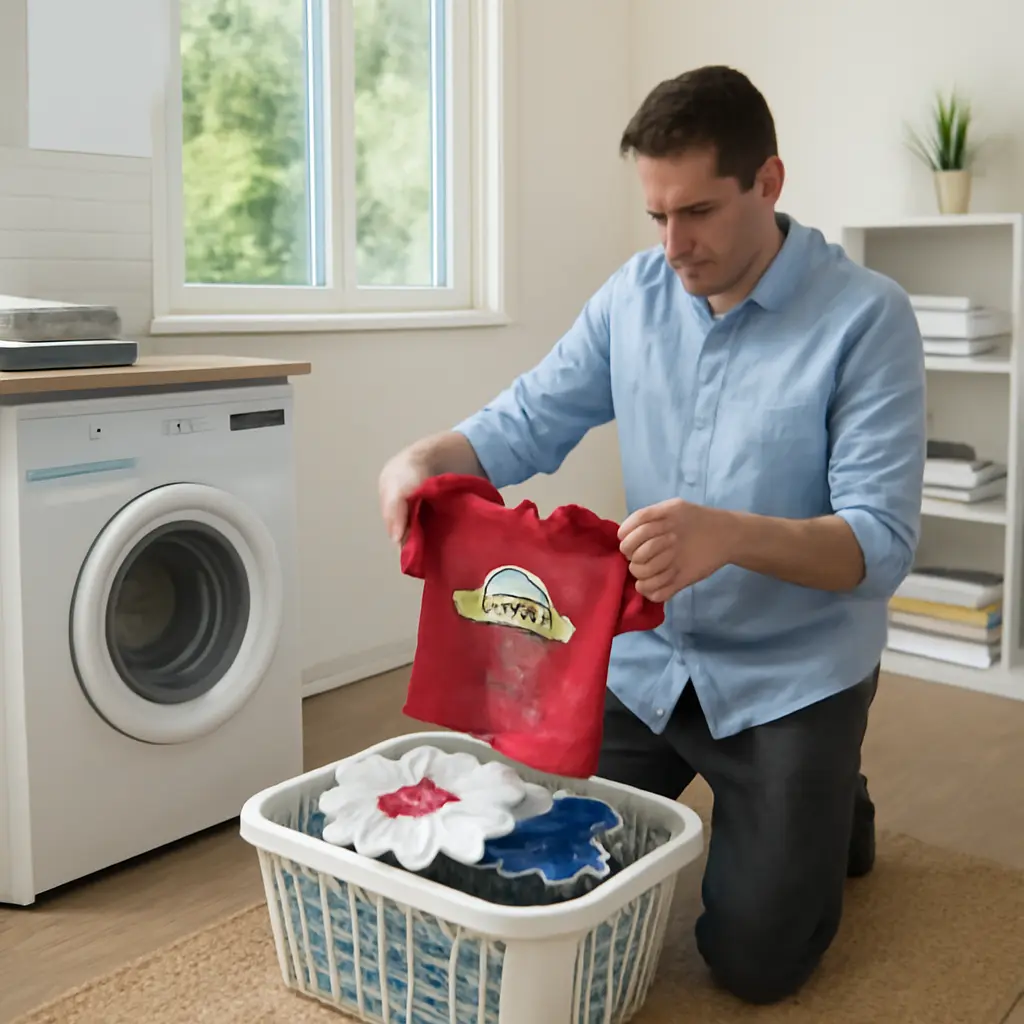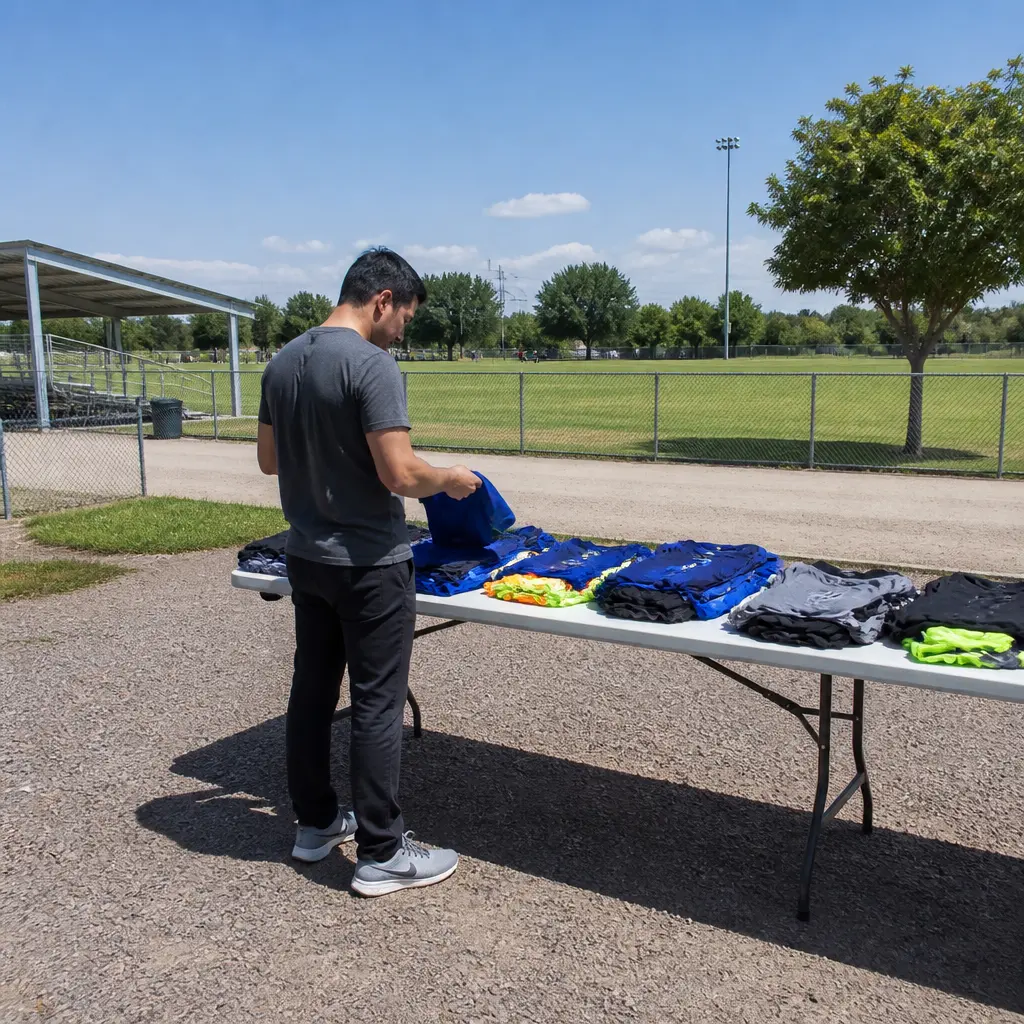
Performance apparel is clothing engineered to balance appearance, comfort, mobility, and resistance to repeated wear. For garments used in active play, the best washes and finishes are not merely decorative: abrasion-resistant constructions, colorfast dyes, moisture-management treatments, durable water repellency, stain-release finishes, and low-maintenance laundering can help clothing look good through grass, sweat, mud, and frequent washing. The American Association of Textile Chemists and Colorists (AATCC), the Federal Trade Commission (FTC), and textile-care standards such as ISO 6330 provide the testing and labeling context, while fiber and finish research shows why a beautiful surface treatment must be matched with the right fabric, care routine, and expected level of play.
Wash and Finish Durability for Play Apparel
Wash and finish durability is the ability of a textile garment to retain its color, surface appearance, shape, comfort, and functional treatment after laundering and physical use. This entity-attribute pairing combines two related performance measures: a wash describes how a fabric is colored, softened, aged, or otherwise given a particular appearance, while a finish is a chemical or mechanical treatment applied to change performance or handle.
AATCC laundering methods evaluate changes such as color loss, staining, dimensional change, and appearance after controlled washing. AATCC TM61, an accelerated laundering test, is commonly used to estimate the effect of repeated home laundering; one accelerated cycle is often treated as approximately equivalent to several typical home washes, although the relationship depends on the fabric and care conditions. For real playwear, durability also includes resistance to rubbing, stretching, pilling, perspiration, sunscreen, soil, and repeated bending at knees and elbows.
Colorfast and Garment-Dyed Washes
A colorfast wash is a dyeing or finishing approach designed to limit fading, bleeding, crocking, and color transfer. Solution-dyed polyester and dope-dyed synthetic fibers place pigment within the fiber before it is formed, generally improving resistance to surface color loss. Reactive dyes on cotton chemically bond with cellulose and can provide strong washfastness when properly fixed and rinsed.
Garment dyeing, pigment dyeing, acid washing, enzyme washing, and stone washing create desirable variation and softness, but they can intentionally reduce uniformity. Pigment-dyed and heavily washed garments may develop attractive patina while showing more visible fading at seams, folds, and high-friction zones. For active play, a heathered, marl, or deliberately vintage appearance often hides minor abrasion better than a flat, saturated solid color.
Abrasion-Resistant and Pilling-Resistant Construction
Abrasion resistance is the ability of a textile surface to withstand rubbing without excessive fiber breakage, fuzzing, holes, or color change. It is influenced by fiber strength, yarn twist, fabric weight, knit or weave structure, and the presence of high-friction details such as hook-and-loop fasteners. A finish alone cannot compensate for a weak construction.
For playground, camp, and field use, tightly woven nylon or polyester, compact jersey, interlock knits, and reinforced ripstop structures generally offer better service life than very loose knits or delicate brushed surfaces. Pilling-resistant treatments and singeing can reduce surface fuzz, but excessive heat, harsh alkaline detergents, and rough washing can still damage the garment. The ASTM D4966 Martindale abrasion method and ASTM D3884 rotary-platform method are examples of laboratory approaches used to compare textile wear, although laboratory results should be interpreted alongside actual garment design.
Stretch Recovery and Shape Retention
Shape retention is the capacity of a garment to return to its intended dimensions after stretching, washing, and drying. Elastane, also called spandex, provides stretch but is sensitive to excessive heat, chlorine, body oils, and aggressive laundering. Polyester-elastane and nylon-elastane blends are common in playwear because they combine mobility with relatively good recovery.
The most durable design pairs stretch fibers with stable fabric construction, sufficient fabric weight, covered elastic, and seams that distribute stress. Washing in cool or warm water according to the care label, avoiding unnecessary high-heat tumble drying, and not overloading the washer help preserve recovery. A garment that looks attractive when new but bags at the knees, twists at the side seams, or loses waistband tension after a few washes has poor practical finish durability even if its color remains bright.
Performance Finishes That Support Active Play
Performance finishes change how fabric interacts with water, oil, soil, odor, and skin. Their value depends on the activity: a finish that helps a rain shell shed water may be unnecessary on a breathable T-shirt, while a finish that improves stain release can be especially useful for children’s clothing. The strongest products use a compatible combination of fiber selection, fabric construction, finish chemistry, and care instructions.
Moisture-Wicking and Quick-Dry Finishes
Moisture management is the movement of perspiration away from the skin and its spreading or evaporation from the fabric surface. Polyester and nylon are commonly engineered with capillary channels, textured yarns, mesh zones, or hydrophilic treatments to improve transport and drying. Cotton can feel comfortable and absorbent, but it typically retains more moisture and dries more slowly during prolonged activity.
A quick-dry finish can improve comfort, but detergent residue, fabric softener, body oils, and soil can reduce wettability and clog fabric surfaces. Fabric softeners are particularly unsuitable for many technical garments because they can coat fibers and interfere with wicking. For playwear, a breathable knit with durable wicking geometry is usually a safer long-term choice than relying only on a topical treatment.
Durable Water Repellency and Water Resistance
Durable water repellency, or DWR, is a surface treatment that causes light rain and spills to bead and roll off a textile rather than immediately wetting its outer face. DWR is not the same as waterproofing: waterproof performance also requires a sufficiently impermeable membrane or coating, seam construction, and sometimes seam sealing.
For active play, a tightly woven shell with a maintained water-repellent surface can keep a garment looking cleaner and reduce saturation during short exposure to drizzle or wet grass. Abrasion, laundering, dirt, and oils gradually reduce repellency. The U.S. Environmental Protection Agency has encouraged the transition away from long-chain per- and polyfluoroalkyl substances in textile treatments, so product claims should be evaluated for chemistry, regulatory compliance, and whether the finish is genuinely needed.
Stain-Release and Soil-Release Finishes
A soil-release finish makes it easier for water and detergent to remove oily or particulate stains during laundering. These finishes are especially useful on cotton-rich playwear, where food, grass, mud, and sunscreen can otherwise bond strongly to the fiber surface. Stain resistance and stain release are different: stain resistance helps prevent a substance from entering or attaching to fabric, while soil release helps remove it later.
Prompt pretreatment remains important. Rubbing a stain aggressively can spread it and damage the surface; a better approach is to remove excess material, rinse according to the fiber type, apply a compatible detergent or pretreatment, and check the garment before heat drying. Heat can set some protein, oil, and dye-based stains, making a durable finish less effective in practice.
Odor-Control and Antimicrobial Treatments
Odor-control finishes reduce odor either by limiting microbial growth, binding odor molecules, or improving the release of sweat and soil during laundering. Antimicrobial treatments are not a substitute for washing, and “antimicrobial” does not automatically mean that a garment remains odor-free. Silver compounds, quaternary ammonium compounds, zinc-based materials, and non-biocide odor absorbers have different performance, environmental, and regulatory profiles.
The U.S. Environmental Protection Agency regulates many antimicrobial textile claims under pesticide rules when a product claims to protect the textile or users from microbes. For everyday play, frequent washing, rapid drying, breathable construction, and sufficient rotation between garments may deliver more dependable odor control than a heavily treated fabric. Buyers should look for specific claims and care guidance rather than assuming that an odor-control label guarantees permanent performance.
How to Match Washes and Finishes to Play Conditions
The best choice depends on the combination of movement, exposure, and laundering frequency. A garment intended for indoor classes has different requirements from one used for outdoor recess, trail play, or contact sports. The following decision sequence connects visual appearance with measurable service demands.
- Identify the primary stress: rubbing, stretching, wet weather, sweat, mud, food stains, or frequent laundering.
- Choose the fabric construction before selecting a finish. A dense, stable textile with reinforced seams generally outlasts a fragile fabric with an impressive surface treatment.
- Choose the appearance strategically. Heathered, mélange, textured, or garment-washed surfaces can disguise minor soil and fading better than perfectly uniform dark colors.
- Check the care label and test a small area when using a new pretreatment. The FTC Care Labeling Rule requires manufacturers and importers to provide reliable care instructions for covered garments.
- Inspect high-wear points such as knees, seat, cuffs, pocket edges, drawcord openings, and shoulder seams. These areas often determine usable life before the overall fabric fails.
Best Options for Everyday Outdoor Play
Everyday outdoor play benefits from medium-weight, colorfast fabrics with moderate abrasion resistance, easy soil release, and enough stretch for squatting, climbing, and running. Polyester-cotton blends can balance softness and drying speed, while polyester or nylon fabrics usually dry faster and resist repeated wetting better.
A practical combination is a heathered or solution-dyed outer fabric, reinforced seams, a modest wicking structure, and a finish that supports soil release without making broad environmental or health claims. For muddy conditions, darker mid-tones and textured surfaces can maintain a presentable appearance longer than very pale, smooth fabrics.
Best Options for Organized Sports
Organized sports place greater demands on stretch recovery, sweat transport, abrasion resistance, and color consistency. Polyester-elastane jerseys, engineered mesh, flat seams, and reinforced panels are common solutions. Sublimation printing can place color into polyester fibers and reduce the heavy surface hand associated with some graphics, but the final garment still depends on yarn quality, knitting, seam design, and washing.
Teams should also consider repeated hot washing, shared equipment, sunscreen, and the need for consistent appearance across a season. Testing representative garments after multiple wash cycles is more informative than judging a new sample alone. A useful internal chart can track color change, pilling, seam damage, stretch recovery, odor retention, and drying time after five, ten, and twenty laundering cycles.
Best Options for Wet and Muddy Conditions
Wet-weather play calls for a layered system rather than a single miracle finish. A moisture-managing base layer moves sweat, an insulating midlayer provides warmth, and a tightly woven or membrane-based outer layer manages rain and wind. DWR can improve surface shedding, but it should not be confused with a fully waterproof barrier.
Mud resistance also depends on silhouette and details. Smooth outer faces, covered zippers, fewer exposed loops, and accessible pockets reduce places where soil can collect. After use, brushing off dry mud before washing reduces abrasive grit in the machine and can improve the useful life of both garment and washer.
Care Practices That Preserve Appearance and Performance
Laundry care is part of the finish system. The International Organization for Standardization’s ISO 6330 standard defines domestic washing and drying procedures used in textile testing, while consumer laundering varies widely by water hardness, detergent concentration, temperature, machine action, load size, and drying method. Consequently, a finish described as durable in a controlled test may wear faster in a household that uses high heat, overloading, or strong chemicals.
- Wash similar colors together and turn printed or dark garments inside out to reduce surface abrasion.
- Use the mildest effective detergent dose; excessive detergent can leave residue that affects softness and wicking.
- Avoid chlorine bleach on elastane, many colored synthetics, and garments with performance finishes unless the care label specifically permits it.
- Skip routine fabric softener on moisture-wicking, water-repellent, and stretch garments because coating residues can reduce performance.
- Use low or moderate drying heat when permitted, since high heat can accelerate elastane damage, shrinkage, coating degradation, and print cracking.
- Remove garments promptly after washing to limit dye transfer, creasing, and musty odor.
Reading Care Labels and Performance Claims
A care label describes the conditions under which a manufacturer expects the garment to remain serviceable; it does not promise that every finish is permanent. Claims such as “colorfast,” “quick dry,” “stain resistant,” “odor control,” and “water repellent” should be read as separate performance categories. A garment may be excellent in one category and ordinary in another.
The FTC distinguishes fiber content, country of origin, and care information from broader marketing claims. Buyers seeking reliable playwear should look for specific test-based language, fiber percentages, and clear limitations rather than vague terms such as “tough,” “all weather,” or “permanent protection.”
Sustainability and Long-Term Value
Durability can reduce replacement frequency, but a finish is not automatically sustainable simply because it extends a garment’s life. Textile Exchange reports that polyester accounts for more than half of global fiber production, making synthetic-fiber durability and end-of-life management significant industry concerns. The same performance features that improve drying and abrasion resistance can complicate recycling when garments combine multiple fibers, elastane, coatings, prints, and trims.
The most responsible choice is usually the simplest garment that meets the activity’s needs and remains wearable for a long time. Prioritize robust construction, repairable seams, color and finish appropriate to the use, and care instructions that can be followed at home. Avoid buying specialized antimicrobial, stain-resistant, or water-repellent treatments when ordinary washing and fabric selection provide sufficient performance.
Conclusion: Choosing Washes and Finishes That Last
Wash and finish durability describes how well play apparel retains color, shape, comfort, cleanliness, and functional performance through use and laundering. Colorfast dye systems and abrasion-resistant construction protect appearance; stretch-recovery fabrics support movement; wicking, soil-release, DWR, and odor-control finishes address specific activity conditions. The most reliable results come from matching the finish to the environment, verifying claims through recognized testing, and following the care label instead of treating finishes as permanent.
For consumers, teams, and designers, the next step is to evaluate garments after real laundering rather than relying only on first impressions. Track fading, pilling, seam wear, stretch recovery, drying time, and stain removal across repeated cycles. Choosing durable construction and only the finishes that solve a genuine play-related problem can improve appearance, comfort, cost per wear, and the broader environmental value of the garment.
Sources: American Association of Textile Chemists and Colorists, AATCC TM61 Colorfastness to Laundering: Accelerated; International Organization for Standardization, ISO 6330:2021 Textiles—Domestic Washing and Drying Procedures for Textile Testing; ASTM International, ASTM D4966 Standard Test Method for Abrasion Resistance of Textile Fabrics; ASTM International, ASTM D3884 Standard Guide for Abrasion Resistance of Textile Fabrics; U.S. Federal Trade Commission, Care Labeling Rule; U.S. Environmental Protection Agency, Safer Choice and Sustainable Textile Chemistry Resources; Textile Exchange, Materials Market Report 2024, https://textileexchange.org/knowledge-center/reports/materials-market-report-2024/